

The pandemic accelerated digital transformation across multiple industries, including health care. Medical spas and aesthetic facilities have also embraced emerging technologies as COVID-19 transformed how patients interacted with medical aesthetics providers. While the rapid rate of change can cause some apprehension, digital transformation represents a genuine opportunity to significantly reduce pain points for you and your patients. Let's explore five ways digital transformation can provide better and more efficient care in your medical aesthetic practice.
Transitioning to digital tools can vastly improve workflow. Medical aesthetics practices can implement a complete medspa management solution that can provide time saving features like electronic medical records that can be completed from any device at any time. A complete software solution would also offer scheduling, client, and staff management with integrated reporting for a comprehensive look at all business data within one system. This is a valuable tool for unlocking greater operational efficiency.
One key aspect of moving towards a digital transformation is the security of client and business data. Across all industries, data breaches reached new heights in both scope and cost in 2021, and the healthcare industry was not immune from attack. Many see the use of cloud-based HIPAA compliant EMR software as a way to safely secure patient data.
Digital transformation translates to significant cost savings for many businesses and may even help to drive increased profits. Eighty percent of companies that have completed a digital transformation reported increased profits. The medical spa market is growing rapidly, and experts project it will reach US $28 billion by 2025. However, digital transformation can deliver a competitive edge as more medical spas and aesthetic facilities open.
Digital transformation can automate many of the steps that employees and providers once performed manually, freeing them up to perform other, more productive tasks. Electronic medical record (EMR) software platforms can integrate technologies like e-prescriptions and help businesses transition to a paperless practice. Becoming a paperless practice can drastically reduce the consumption of resources such as paper, printers and ink, and many other office expenses that generate waste and decrease profits.
Moving toward a paperless practice is not only about driving down expenses. The global healthcare industry generates between 4.4 and 4.6 percent of all greenhouse gas emissions. While running servers and technology does require energy consumption, many view digital transformation as a way to significantly reduce resource consumption, such as the vast quantities of paperwork that could be eliminated in favor of digitized records, prescriptions, and more.
Technology continues to improve business data and security. Medical aesthetic practices are becoming more efficient with comprehensive EMR software that integrates essential components such as e-prescribing. Automation and paperless practices help drive productivity and lower operational costs. The outlook is sunny with digital transformation-despite the current challenges, there are many reasons to be hopeful. Join us for a LIVE demo.
Related articles on growth, operations, and the systems shaping modern medical aesthetics practices.
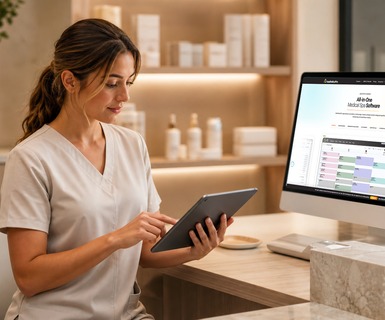
See how connected medical spa software systems support clearer workflows, stronger reporting, and more consistent daily operations...


Learn what to prioritize in spa software for small business, from booking and client records to payments and future growth...
See how medical spa booking software became part of the client experience and why connected scheduling now matters...

See why Botox remains a key med spa treatment and how medical spa software helps support repeat visits, loyalty, and long-term growth...

See which medical spa requirements clients notice before booking and how the right systems help build trust, safety, and confidence...

Learn simple ways to get more value from your medical spa management software through better workflows and reporting...
See what good medi spa software handles for you every day, from booking to checkout, in plain simple terms...
Explore 7 trends shaping the medical spa industry in 2026, from client retention to AI and the systems behind medical spa management...
Discover the 12 systems every growing practice needs for medical spa management, from scheduling to compliance, in one connected platform...
See how medical spa practice management software supports estheticians, providers, and front desk teams in one connected platform...

Use this medspa software checklist to evaluate booking tools, system reporting, and scalability before choosing your platform...

The best medspa software does more than organize appointments. It connects compliance, charting, payments, retention, and reporting into one system...

Missed follow-up, preventable no-shows, weak retention, and disconnected systems can quietly drain margin from a growing practice...
When most medspa owners think about spa management software, they picture a scheduling tool. That narrow view is why practices hit a ceiling...
Growing a med spa is the goal. It is also the moment when everything that worked before starts showing its limits...
Clients notice when intake, treatment context, and follow-up feel seamless...

Med spa clients in 2026 arrive informed, comparison-shopping, and ready to judge the full client experience as much as the treatment itself...

Most med spa owners think about licensing when they open. Fewer revisit it before adding a provider, expanding services, or opening a second location...
Men are booking Botox, skin treatments, laser hair removal, hair growth services, and body contouring in steadily increasing numbers...

Potential clients are asking AI-powered tools where to go next. Med spas that show up consistently have clear content, accurate listings, and crawlable sites...

Most med spas searching for spa management software need more than calendars. They need connected booking, compliance, and workflows...
Running a medical spa means balancing compliance, records, and growth. The right EMR helps medspas stay documented and audit-ready...

The best medical spa software connects booking, intake, and follow-up to improve client retention and strengthen repeat visits...
Aesthetic clinics are moving away from general booking tools and basic scheduling apps in favor of software built for how medical spas actually operate...
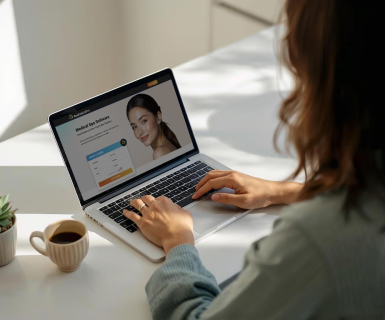
If you are demoing spa management software right now and every platform looks roughly the same, you are not alone. Feature lists blur together, demos show...
If your med spa clients come in once for Botox, maybe return for a filler follow-up, and then disappear for six months, you do not have a demand problem. You...
An EMR for medical spa teams should do more than store records. It should help providers document care clearly, support front desk workflows, improve...

 Login
Login