Login
Login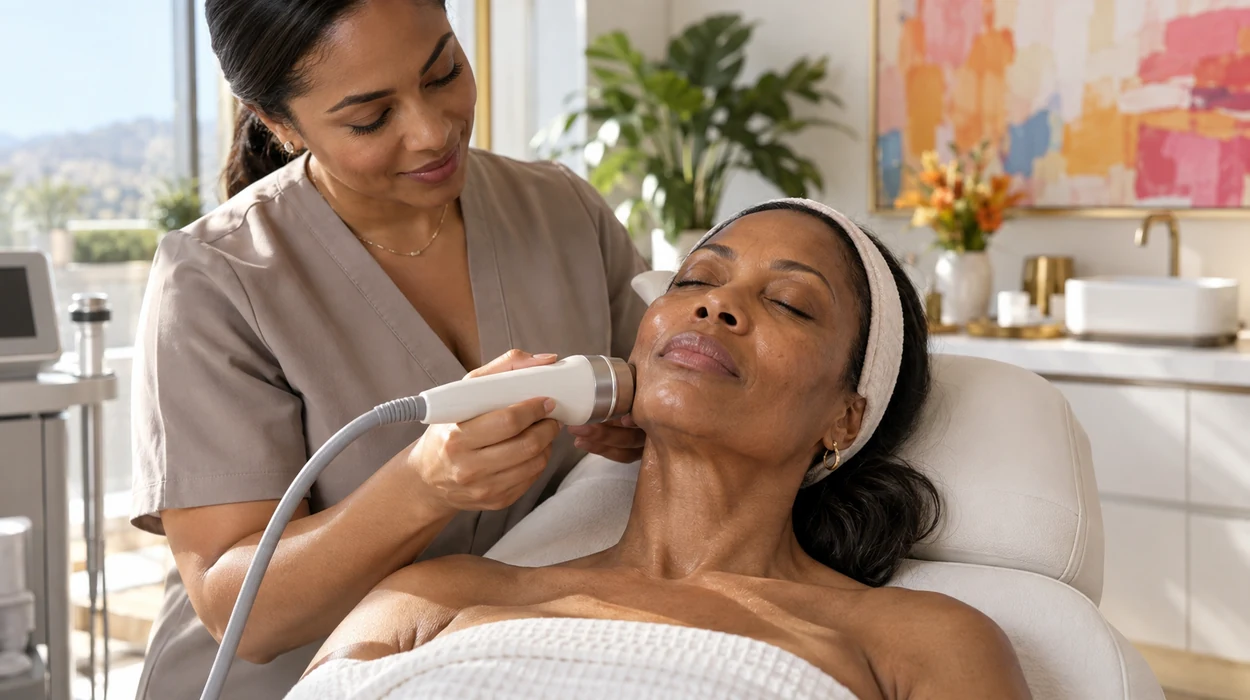

Major weight loss can leave clients looking very different from when their GLP-1 journey began. Once the scale is no longer the main focus, concerns like hollow cheeks, loose skin, facial laxity, and changes in body contour can become more noticeable.
That creates a new treatment conversation for med spas. It also changes what teams may need to document in medical spa software, from updated photos and consultation notes to treatment plans that evolve over multiple visits.
For practices already supporting clients during GLP-1 treatment, the next question is what aesthetic care may look like after significant weight loss.
What Aesthetic Concerns Can Follow GLP-1 Weight Loss?
Significant weight loss can affect facial volume, skin laxity, and body contour. Clients may notice flatter cheeks, temple hollowing, more visible folds, a softer jawline, or loose skin around the face and neck. Similar concerns can appear elsewhere on the body.
Research on GLP-1-associated weight loss has identified facial hollowing, volume loss, contour changes, and increased skin laxity among the aesthetic changes providers are encountering.
There is no single post-GLP-1 treatment. The approach should depend on what changed, what matters to the client, and what can realistically be addressed within the practice.
Facial Volume Loss: Fillers and Biostimulatory Injectables
For some clients, facial deflation becomes the biggest concern. Reduced cheek volume, hollow temples, or changes around the eyes and mouth can become more noticeable following significant weight loss.
Hyaluronic acid fillers may be considered when the goal is to restore selected areas of lost volume or facial support. Biostimulatory injectables may also be considered when collagen stimulation is part of the treatment strategy. Current literature supports individualized use of volumizing and collagen-stimulating approaches for GLP-1-related facial changes.
Rather than trying to address every area at once, staged treatment gives providers an opportunity to reassess the client before deciding what should come next.
Loose Facial and Neck Skin: Energy-Based Treatments
Volume loss and skin laxity can occur together.
For clients with mild to moderate laxity, providers may consider collagen-stimulating approaches such as radiofrequency, RF microneedling, microfocused ultrasound, or other appropriate energy-based treatments. Published discussions of post-GLP-1 aesthetic care include energy-based treatments as part of a multimodal approach to skin laxity and tissue quality.
Significant excess skin is different. Nonsurgical tightening has limits, and some clients may be better served by a surgical consultation than repeated minimally invasive treatments.
Skin Quality Treatments and Esthetician Management Software
After larger concerns such as volume and laxity are addressed, clients may become more focused on texture, fine lines, pigmentation, or overall skin quality.
Depending on the client and provider, options may include:
- Microneedling
- Laser resurfacing
- Chemical peels
- Collagen-stimulating treatments
- Injectable skin-quality treatments
- Medical-grade skincare
The client may need volume restoration first, tightening first, resurfacing later, or none of those at all. Post-weight-loss care should not become a preset treatment package.
When skin-focused care continues across multiple visits, esthetician management software can help keep treatment history, consultation notes, photos, and follow-up organized as the client's plan evolves.
Body Contouring After Major Weight Loss
The face is only part of the post-GLP-1 conversation.
Clients may also ask about loose skin or changes in contour around the abdomen, upper arms, thighs, back, neck, or breasts. The American Society of Plastic Surgeons has reported increased consultation interest related to body and facial changes following GLP-1-associated weight loss.
Selected nonsurgical treatments may be appropriate for relatively mild concerns. Significant hanging or excess skin requires a different conversation.
A good med spa consultation should identify what can reasonably be treated within the practice and when a plastic surgery evaluation may better match the client's goals.
Aesthetic EMR Software and Staged Post-GLP-1 Treatment Plans
A post-weight-loss client may arrive with several concerns at once. Hollow cheeks, skin laxity, texture changes, and body contour concerns may all be part of the conversation, but they do not necessarily require the same treatment or timing.
A simple staged approach can keep planning focused:
When care extends across multiple visits, aesthetic EMR software can help providers maintain a clear record of consultations, photos, treatment history, provider notes, and evolving goals.
Research on post-GLP-1 facial aesthetics also supports individualized, multimodal treatment planning rather than relying on a single procedure for every client.
Know When the Med Spa Is Not the Final Stop
One of the most important treatment decisions may be knowing when not to treat.
Severe laxity, substantial excess skin, or concerns outside the provider's scope may warrant referral to a plastic surgeon or another appropriate specialist.
That is not a missed treatment opportunity. It is appropriate treatment planning.
Medical Aesthetics Software for an Evolving Treatment Plan
Post-GLP-1 aesthetic care may unfold over months rather than one appointment. Photos, treatment history, consultations, follow-up, and evolving goals become increasingly important when multiple treatments or providers are involved.
Medical aesthetics software can help keep those moving parts connected as teams document treatments, compare progress, schedule follow-up, and adjust plans over time.
For practices comparing the best aesthetic software, the value is not simply having more features. It is having a connected record of how the client's goals and treatment plan evolve.
AestheticsPro brings client management, scheduling, E-Records, forms, AP Photo, communication, reporting, and other practice tools together so teams can keep the treatment journey organized as client needs change.
See how AestheticsPro can support your growing practice.
Frequently Asked Questions
What treatments can help with facial volume loss after GLP-1 weight loss?
Depending on the client, providers may consider hyaluronic acid fillers, collagen-stimulating injectables, or a combination of approaches. Treatment should be based on facial anatomy, the location and extent of volume loss, and the client's goals rather than using one standard post-GLP-1 treatment plan.
Can a med spa tighten loose skin after major weight loss?
Some mild to moderate laxity may be appropriate for radiofrequency, RF microneedling, ultrasound-based treatments, or other collagen-stimulating approaches. More significant excess skin may exceed what nonsurgical treatment can reasonably address, making surgical consultation appropriate for some clients.
What should practices look for in the best aesthetic software for post-GLP-1 care?
The best aesthetic software for this type of follow-up should support the workflows the practice actually uses, including client records, photos, treatment history, scheduling, forms, communication, and follow-up. The goal is to maintain continuity as the client's treatment plan develops across multiple visits.
Support Post-GLP-1 Client Journeys
Schedule a demo to see how AestheticsPro helps practices organize photos, records, scheduling, communication, and follow-up as client needs change.
Book a FREE Consultation