

Opening a medical spa is only the beginning. Once your practice is operating, staying compliant requires regular attention to state laws, provider licenses, equipment safety, patient records, and staff training.
As your practice grows, these responsibilities can become harder to manage. Licenses expire, regulations change, employees take on new responsibilities, and treatment equipment requires ongoing maintenance.
This ongoing medical spa requirements checklist helps owners and managers organize recurring compliance tasks, identify potential gaps, and maintain a safer practice throughout the year.
Disclaimer: Medical spa requirements vary by state, professional license, and services offered. The review schedules below are suggested organizational practices, not universal legal deadlines. Always follow applicable laws, manufacturer instructions, professional standards, and your practice's policies.
Use this overview to identify the responsibilities your practice should regularly review. Use the detailed checklists below to assign tasks and track completion.
| Compliance Area | What to Check | Suggested Review |
|---|---|---|
| State laws and licensing | Current regulations, business permits, and professional licenses | Monthly |
| Provider credentials | Active licenses, qualifications, and authorized treatments | Monthly and when staffing changes |
| Medical oversight | Supervision agreements, delegation protocols, and clinical responsibilities | Monthly |
| Patient documentation | Intake forms, consent forms, treatment notes, and records | Daily and weekly |
| HIPAA and data security | Access permissions, secure communication, and privacy procedures | Ongoing |
| Equipment safety | Maintenance, calibration, inspections, and training | Per manufacturer and regulatory requirements |
| Staff training | Continuing education, clinical training, and safety procedures | Quarterly |
| Policies and procedures | Clinical protocols, emergency plans, and regulatory updates | Quarterly and annually |
Daily medical spa regulatory compliance starts with the procedures your team follows for every patient and treatment.
Weekly reviews help identify documentation and workflow problems before they become recurring issues.
Monthly reviews should focus on licensing, provider credentials, medical oversight, and facility responsibilities.
Medical spa laws vary by state and may change over time. Owners and managers should maintain a process for identifying relevant regulatory updates.
A general business license does not automatically authorize every medical procedure. Confirm that your practice continues to meet requirements for its current services.
Provider qualifications should be verified before treatments are assigned and reviewed as credentials approach expiration.
A training certificate does not necessarily establish legal authority to perform a procedure. Scope-of-practice and supervision requirements must also be considered.
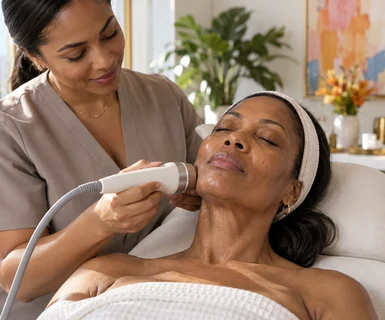
Medical spa equipment may require maintenance, inspections, calibration, or other checks depending on the device and applicable rules.
Not all devices have the same certification or inspection requirements. Follow applicable regulations and manufacturer instructions for each piece of equipment.
Quarterly reviews help determine whether staff qualifications, policies, and operating procedures still match your practice's services.
Medical aesthetics continues to evolve as new devices, products, and treatment techniques become available. Continuing education helps providers maintain relevant knowledge and skills.
Training requirements vary by professional license, state law, and procedure. Keep records that demonstrate how employees meet applicable requirements.
An annual review provides an opportunity to evaluate the practice's broader compliance processes. Complete these tasks more frequently whenever required by law, policy, or a specific renewal deadline.
Certain changes require attention before the next scheduled review. Whenever possible, complete these reviews before implementing the change.
| Practice Change | What to Verify |
|---|---|
| Hiring a provider | Professional license, scope of practice, training, and supervision |
| Employee role change | Updated responsibilities, treatment authorization, and software permissions |
| Employee departure | Removal of system access and reassignment of responsibilities |
| Adding a treatment | Provider qualifications, equipment rules, consent forms, and clinical protocols |
| Purchasing equipment | Installation, training, maintenance, safety requirements, and registrations |
| Opening another location | Business licensing, facility approvals, and clinical oversight |
| Changing medical directors | Required agreements, notifications, and continuity of oversight |
| Changing software | Data migration, security safeguards, record access, and documentation continuity |
| Privacy or safety incident | Immediate response, investigation, documentation, and required notifications |
| New regulatory requirement | Policy changes, employee training, and implementation deadlines |
Use a shared tracking document or secure administrative system to assign responsibilities and monitor outstanding requirements.
For each task, document the completion date, findings, corrective actions, and responsible employee.
Tip: Assign one person to oversee the checklist, even when individual tasks belong to different departments. This helps prevent important requirements from being overlooked.
| Requirement | Suggested Review | Assigned To | Next Due Date |
|---|---|---|---|
| Business licenses and permits | Monthly | ________ | ________ |
| Provider licenses | Monthly and at renewal | ________ | ________ |
| Medical oversight agreements | Monthly | ________ | ________ |
| Patient documentation | Daily and weekly | ________ | ________ |
| Equipment maintenance | Per device requirements | ________ | ________ |
| Employee training | Quarterly | ________ | ________ |
| Software access permissions | Quarterly and upon staff changes | ________ | ________ |
| Privacy and security procedures | Ongoing and scheduled reviews | ________ | ________ |
| Regulatory updates | Quarterly and when changes occur | ________ | ________ |
Medical spa owners should rely on authoritative sources when reviewing laws, licensing requirements, and equipment standards.
Your state's medical, nursing, and other professional licensing boards are important sources for provider licensing, scope-of-practice rules, and clinical oversight requirements.
State and local agencies can also provide information about facility permits and business registrations.
The American Med Spa Association provides educational resources about medical spa laws, business operations, and industry practices.
Its resources can help owners identify issues to research further, but they should not replace official regulatory guidance or legal advice.
The American National Standards Institute offers information and education related to standards and conformity assessment.
For medical spa equipment, confirm which standards, certifications, inspections, or maintenance requirements actually apply to each device.
Manufacturers provide important instructions for equipment operation, maintenance, calibration, and safety.
Keep manufacturer documentation accessible and maintain records of required service activities.
Medical spa management software can help practices organize recurring documentation and administrative responsibilities.
When evaluating medical spa management software, consider whether it supports:
Not every platform includes provider credential verification, equipment maintenance reminders, or comprehensive compliance monitoring.
Maintain separate tracking processes for requirements your software does not support.
Software can assist with documentation and information security, but it does not replace professional licensing, medical oversight, employee training, or regulatory review.
Staying current with medical spa requirements means regularly reviewing state laws, provider credentials, equipment maintenance, staff training, and patient documentation.
The most effective approach is to make these reviews part of your normal operating schedule.
Assign responsibility for each task, establish review dates, and document completed actions so important requirements do not depend on employee memory.
AestheticsPro brings E-Records, digital forms, scheduling, client management, payments, and reporting together in one medical spa management platform.
Book an AestheticsPro demo to explore how connected software can support your practice's everyday documentation and administrative workflows.
Related articles on growth, operations, and the systems shaping modern medical aesthetics practices.

Learn how medspa software supports secure documentation, digital consent, and HIPAA compliance to meet medical spa requirements...


Discover holiday upselling strategies to increase revenue in a med spa with packages, med spa loyalty programs, and med spa software...
Explore post-GLP-1 aesthetic treatments for volume loss, skin laxity, body contouring, and how medical spa software supports ongoing care...

Plan for the med spa holiday rush with a practical checklist for staffing, revenue, inventory, communication, and medical aesthetics software...

Learn how to plan winter aesthetic procedures before holiday events, including timing, downtime, skin quality, and natural-looking results...

See when growing med spas need med spa management software, what small business tools may outgrow, and what to look for next...

See what medical spa booking software should do before the visit, from intake and reminders to connected practice workflows...

See how spa management software can support repeat visits, memberships, stronger client retention, and long-term medspa growth...

See how AI-powered med spa software is helping aesthetic practices streamline workflows, save time, and improve the client experience...


 Login
