

Nurse practitioners (NPs) bring valuable clinical experience to the medical aesthetics industry. For NPs interested in opening their own medical spa, ownership offers an opportunity to combine patient care with business leadership.
But can a nurse practitioner own a med spa? The answer depends on the state where the practice operates, the NP's scope of practice, and applicable business ownership laws.
Some states grant nurse practitioners full practice authority, while others require physician collaboration or supervision. Even in states with full practice authority, separate ownership laws may affect how a medical spa must be established.
Before starting a nurse practitioner med spa business, it's important to understand these requirements and identify resources that can help you build a legally sound practice.
Nurse practitioners may be able to own medical spas, but the requirements vary by state.
Two important considerations in nurse practitioner med spa ownership are practice authority and business ownership.
Practice authority determines the level of independence an NP has when providing healthcare services. Ownership laws determine who can legally own or control a business that provides medical treatments.
These are related, but they are not the same.
An NP may have the authority to provide certain medical aesthetic treatments independently while still facing restrictions on how the medical practice can be owned or structured.
Before establishing a med spa, nurse practitioners should confirm both sets of requirements.
One of the first steps toward NP med spa ownership is understanding the level of practice authority granted in your state.
States generally fall into three categories.
In full practice authority states, qualifying nurse practitioners can evaluate patients, diagnose conditions, order and interpret tests, and initiate and manage treatments under the authority granted by state law without a required physician supervisory relationship.
However, full practice authority does not automatically eliminate business ownership restrictions or authorize every aesthetic procedure.
NPs must still follow applicable scope-of-practice, prescribing, training, and facility requirements.
Reduced practice authority states place certain limits on NP practice or require a regulated collaborative relationship for specific elements of patient care.
An NP planning to open a medical spa may need to establish a collaborative agreement or meet other requirements before offering particular services.
Restricted practice authority states require physician supervision, delegation, or team management for certain aspects of NP practice.
These requirements can affect clinical workflows, physician relationships, staffing, and operating costs.
Because laws and regulations change, NPs should verify their current state classification and requirements before making ownership decisions.
Understanding NP practice authority is only part of the process.
NP med spa ownership laws may include corporate practice of medicine restrictions, professional entity requirements, and other rules governing who can own a business that provides medical services.
Depending on the jurisdiction, an NP may be permitted to own a professional practice directly, may need to meet specific entity requirements, or may need a different legal arrangement.
In certain situations, a Management Services Organization (MSO) may provide administrative services to a separately owned clinical practice.
However, an MSO is not a universal solution to ownership restrictions.
Before choosing a structure, consult a healthcare attorney who understands both advanced practice nursing regulations and medical spa ownership laws in your state.
Before opening a nurse practitioner-owned medical spa, verify the legal and clinical requirements that apply in your state. Use this checklist to identify what needs to be confirmed before making major business commitments.
Where to verify: Start with your state board of nursing and other applicable licensing agencies. Consult a healthcare attorney familiar with NP med spa ownership laws to confirm the appropriate business structure and any ownership restrictions.
Keep a record of your findings, including the applicable regulations, agency guidance, and professional advice you receive. Requirements can change, so review them again when adding new services, providers, or locations.
Opening a medical spa involves clinical, legal, financial, and operational responsibilities.
The following resources can help nurse practitioners understand nurse practitioner medical spa requirements and prepare for ownership.
Your state board of nursing should be one of your first resources.
It can help you identify the laws and rules governing NP licensure, scope of practice, prescribing authority, and required physician relationships.
Depending on the state and services offered, you may also need guidance from medical boards, cosmetology boards, health departments, or other regulatory agencies.
Before opening, confirm:
Keep copies of applicable guidance and establish a process for reviewing regulatory changes.
Professional associations can provide education, networking, and resources for NPs considering business ownership.
Organizations such as the American Association of Nurse Practitioners and state NP associations may offer information about practice authority, legislative changes, professional development, and practice management.
Medical aesthetics organizations may also provide industry-specific education.
For an NP planning to open a med spa, these resources can help bridge the gap between clinical experience and business ownership.
Healthcare attorneys play an important role in establishing NP-owned medical spas.
An attorney familiar with your state's laws can help evaluate:
Getting legal guidance before signing leases, purchasing equipment, or entering physician agreements can help prevent expensive restructuring later.
An NP license does not automatically establish competency or legal authorization to perform every aesthetic procedure.
Nurse practitioners entering medical aesthetics should evaluate procedure-specific training and applicable scope-of-practice requirements.
Education may include injectable treatments, laser procedures, facial anatomy, complication management, patient assessment, and other relevant clinical topics.
Training should be appropriate for the NP's license, experience, intended services, and state requirements.
Continuing education also helps NP owners maintain clinical knowledge while overseeing patient care and practice operations.
Starting a nurse practitioner med spa business requires more than clinical expertise.
Owners must understand startup costs, staffing, insurance, equipment, marketing, and ongoing operating expenses.
A CPA or financial advisor with healthcare business experience can help build a budget that accounts for:
Financial planning should reflect the specific ownership and clinical requirements in your state.
NP med spa owners may serve as both clinical providers and business managers.
These roles carry different responsibilities.
As a clinical provider, an NP may be responsible for patient assessment, treatment planning, documentation, and other services permitted under their license.
As a business owner, the NP may oversee staffing, scheduling, financial performance, vendor relationships, and daily operations.
If additional providers join the practice, the owner must also understand applicable supervision, delegation, and scope-of-practice requirements.
Clearly defining these responsibilities can help prevent administrative duties from interfering with clinical care.
Nurse practitioner owners often balance patient care with the responsibilities of running a business.
Medspa management software can help organize those responsibilities within a connected system.
Accurate clinical documentation is essential for medical aesthetic practices.
An electronic medical record (EMR) system can help NP owners organize patient information, treatment notes, consent forms, and before-and-after photos.
Features such as customizable forms and treatment documentation templates can support consistent recordkeeping.
However, med spa software does not replace the NP's responsibility to maintain appropriate documentation or comply with applicable clinical requirements.
An NP-owned med spa may begin with a solo provider and limited administrative support.
Connected scheduling and client management tools can help organize appointments, client profiles, intake forms, reminders, and follow-up communication.
This can reduce the need to maintain information across multiple disconnected systems.
As an NP-owned practice grows, different employees may need different levels of access.
Front desk staff may manage appointments and payments, while clinical providers need access to relevant medical records and documentation.
Role-based permissions can help the practice assign access according to employee responsibilities.
These controls support information security but do not determine whether an employee is legally authorized to perform a clinical procedure.
NP owners also need visibility into the financial and operational side of their practices.
Medical spa software may help organize payments, inventory, appointment activity, client communication, and business reporting.
Keeping these functions connected can make it easier to manage daily operations while maintaining focus on patient care.
Software can support documentation, privacy safeguards, and administrative processes, but it cannot establish legal ownership or guarantee compliance.
For example, an EMR with HIPAA-supporting security features may help protect patient information, but the practice must still implement appropriate privacy policies, staff training, and security procedures.
Similarly, software permissions do not replace state requirements governing physician collaboration, prescribing, or treatment delegation.
NP owners should treat software as one part of a broader compliance and practice-management strategy.
Nurse practitioner med spa ownership brings together clinical expertise and business leadership. Building a successful practice starts with understanding your state's ownership rules, scope-of-practice requirements, and professional responsibilities.
Once the legal and clinical foundation is established, the right technology can help you manage daily operations.
AestheticsPro provides medical spa software with HIPAA-compliant E-Records, scheduling, digital forms, client management, payments, communication, and reporting capabilities designed for aesthetic practices.
Whether you're preparing to open your first med spa or expanding an existing NP-owned practice, connected software can help you organize clinical and business workflows.
Schedule a free AestheticsPro demo to explore software built to support the daily operations of your NP-owned medical spa.
Possibly. It depends on the state's NP practice authority rules, medical practice ownership laws, and the services offered. Full practice authority does not necessarily mean an NP can own every type of medical practice without restrictions.
Whether an NP can open a med spa depends on state-specific ownership, licensing, and clinical practice requirements. Some states may permit direct ownership, while others impose restrictions or require particular business structures. Review applicable laws with a qualified healthcare attorney before opening.
Full practice authority may provide greater clinical independence, but NP owners must also review professional entity laws, facility requirements, procedure-specific rules, and other business regulations.
Requirements vary by state but may include appropriate NP licensure, compliance with scope-of-practice rules, professional entity registration, required physician relationships, facility permits, liability insurance, and procedure-specific training.
An NP-owned practice may be able to employ additional staff, subject to applicable ownership, employment, supervision, and scope-of-practice laws. Each clinical employee must be appropriately qualified and authorized to perform their assigned services.
The specific recordkeeping requirements depend on applicable law and the services provided. An EMR designed for medical aesthetics can help organize treatment documentation, consent forms, patient information, and other clinical records.
Start by reviewing state nursing regulations and medical practice ownership laws. Then consult a healthcare attorney, confirm treatment qualifications, establish a business plan, obtain required insurance and permits, and choose systems that support clinical and administrative operations.
Related articles on growth, operations, and the systems shaping modern medical aesthetics practices.

Learn how medspa software supports secure documentation, digital consent, and HIPAA compliance to meet medical spa requirements...

Discover holiday upselling strategies to increase revenue in a med spa with packages, med spa loyalty programs, and med spa software...
Explore post-GLP-1 aesthetic treatments for volume loss, skin laxity, body contouring, and how medical spa software supports ongoing care...
Plan for the med spa holiday rush with a practical checklist for staffing, revenue, inventory, communication, and medical aesthetics software...
Learn how to plan winter aesthetic procedures before holiday events, including timing, downtime, skin quality, and natural-looking results...

See when growing med spas need med spa management software, what small business tools may outgrow, and what to look for next...
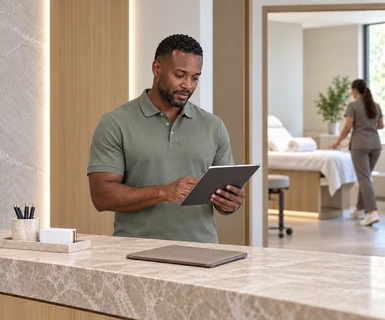
See what medical spa booking software should do before the visit, from intake and reminders to connected practice workflows...
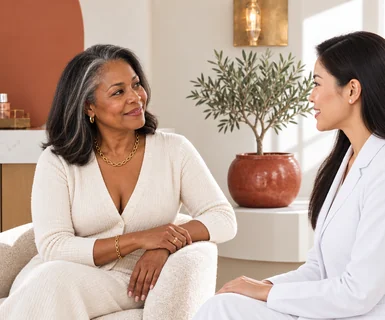
See how spa management software can support repeat visits, memberships, stronger client retention, and long-term medspa growth...
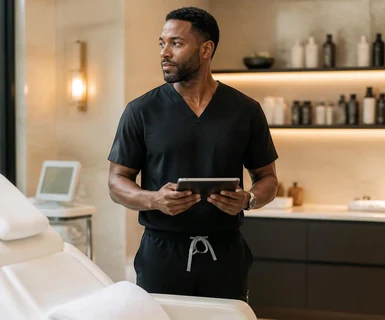
See how AI-powered med spa software is helping aesthetic practices streamline workflows, save time, and improve the client experience...


 Login
