

The way people search for local services is shifting. Potential clients are no longer just typing keywords into Google and scrolling through links. They are asking AI-powered tools like ChatGPT, Google AI Overviews, and Perplexity for recommendations and next steps, and those tools are pulling answers from somewhere.
For med spas, the question is simple: is your practice one of the sources AI trusts, or are you invisible to it?
There is no switch that guarantees AI visibility. But the practices that consistently show up share a few things in common: clean and crawlable websites, accurate local listings, clear service content, and connected booking systems. The right spa management software plays a direct role in converting that visibility into actual appointments. This guide covers the practical steps that move the needle, and why getting the operational side right is just as important as getting the content side right.
AI search tools prioritize content that is clear, trustworthy, and easy to verify. For a med spa, that means your website, listings, and service pages need to answer the questions clients are genuinely asking, before they even know to ask them. The practices that show up consistently are the ones that have made themselves easy to find, understand, and contact.
AI search tools are not doing simple keyword matching. They are trying to understand intent and surface the most useful, trustworthy answer available. For a local med spa, that means your digital presence needs to answer the questions clients are genuinely asking, not just short phrases, but fuller questions like what should I expect at my first laser appointment or how do I find a med spa that offers both Botox and body contouring.
AI-powered platforms pull from websites, business listings, review platforms, structured data, and other trusted sources. A practice that is well-represented across all of those touchpoints is far more likely to be surfaced than one with a thin website and an outdated profile. The goal is not to trick the algorithm. It is to make your med spa genuinely easier to find, understand, and trust. That framing matters because it aligns what is good for AI visibility directly with what is good for the client experience.
Before any search engine or AI tool can surface your content, it needs access to it. Your robots.txt file controls which pages crawlers can reach. If important service pages, blog content, or booking flows are blocked, they will not support your visibility, no matter how strong the content is.
OpenAI has identified OAI-SearchBot as the crawler it uses to surface websites in ChatGPT search features. Practices that block this crawler will not appear in ChatGPT search answers, which is a meaningful gap as AI-powered search becomes a more common way people research local providers before making a booking decision.
Your website should also be reviewed regularly for broken pages, slow load times, redirect issues, and indexing problems. A technically clean site sends stronger trust signals than one full of errors, and it ensures the content you are creating actually reaches the right audience.
One of the most consistent gaps in med spa websites is a lack of detailed service content. A menu item that says Botox does very little for search visibility or client education. A dedicated page that explains what the treatment addresses, what clients typically ask before booking, what to expect during and after, and how to schedule a consultation does considerably more for both.
A strong med spa service page includes:
That last element is especially valuable because it mirrors exactly how people phrase searches and how AI tools structure answers, which is where you want your content to show up.
This is also where the right spa software for small business connects service discovery directly to a booking workflow. A potential client who finds your service page and can book in two clicks is a fundamentally different lead than one who has to hunt for a phone number or send an email to get started.
AI search relies on many of the same trust signals as local SEO. Your name, address, phone number, hours, website URL, booking link, and service categories need to be consistent across your website, Google Business Profile, Yelp, Healthgrades, social profiles, and any directories where your practice appears.
Inconsistencies signal unreliability to both AI tools and potential clients. Audit these items across every platform where your practice appears:
Keeping these details clean and current is one of the most direct ways to increase med spa leads from organic and AI-driven discovery. It does not require a large budget, it requires a consistent review process and someone accountable for maintaining it.
Structured data is code that gives search engines explicit context about what a page contains. For a med spa, relevant structured data typically includes local business information, FAQ schema on service pages, article markup on blog content, and breadcrumb data. These formats help AI tools parse your content more accurately, which matters most when you are competing against higher-authority sites for the same local audience.
Blog content and FAQ pages carry equal weight. Write for actual client intent rather than generic keyword volume. Topics that consistently perform well include how to prepare for a first med spa appointment, what to ask when choosing a provider, how often treatments need maintenance, and what to know before booking injectables or lasers.
This is also a strong place to address medical spa requirements in a way that builds genuine trust. Explaining why consultations are required, what provider qualifications look like, and how documentation protects clients helps potential clients feel confident before they book. Compliance transparency is effective content strategy, and it differentiates your practice from competitors who never address it.
Getting found is step one. What happens next determines whether that discovery converts into revenue.
A potential client who lands on your site and cannot figure out how to schedule, what services you offer, or whether you are the right fit will leave. That is not a search problem. It is an operations problem, and it is one of the most common reasons practices lose the leads their content worked hard to earn.
This is where spa management software becomes central to the entire visibility conversation. It does not make your website rank higher on its own, but it determines what happens when traffic arrives. Online booking, automated reminders, digital intake forms, client records, treatment documentation, and follow-up communication all work together to convert a discovered lead into a booked, returning client. Practices running connected medical spa software systems consistently make more of every visibility win than those with disconnected tools and manual workflows.
AestheticsPro brings online booking, digital intake, client records, automated reminders, loyalty tools, treatment documentation, and reporting together in one connected platform built specifically for med spas.
Book a free demo and see how AestheticsPro helps turn search visibility into a smoother, more bookable client experience.
Build a crawlable website, create detailed service pages that answer real client questions, keep local listings accurate and consistent across every platform, and use structured data where appropriate. AI tools prioritize clear, trustworthy, and accessible information above all else.
Spa management software does not directly improve rankings. It determines what happens when someone finds your practice. Online booking, intake forms, reminders, client records, and follow-up workflows convert discovered leads into booked, returning clients. That conversion layer is where visibility becomes revenue.
Yes. Content that answers real client questions clearly and specifically is more likely to be surfaced by AI tools and more likely to generate bookings. The most direct path to increase med spa leads runs through useful, specific content paired with a connected booking workflow that makes it easy to act on.
Meeting medical spa requirements does not directly affect rankings, but publishing clear content about your credentials, provider qualifications, and consultation process builds trust with both clients and search tools. Compliance transparency is a legitimate and effective content strategy that few practices take the time to execute well.
Related articles on growth, operations, and the systems shaping modern medical aesthetics practices.
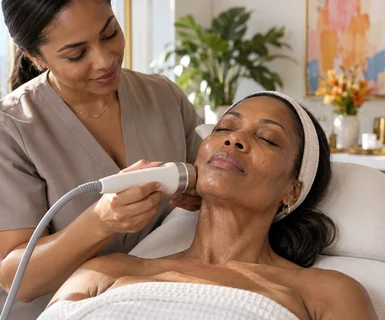
Explore post-GLP-1 aesthetic treatments for volume loss, skin laxity, body contouring, and how medical spa software supports ongoing care...


Plan for the med spa holiday rush with a practical checklist for staffing, revenue, inventory, communication, and medical aesthetics software...

Learn how to plan winter aesthetic procedures before holiday events, including timing, downtime, skin quality, and natural-looking results...

See when growing med spas need med spa management software, what small business tools may outgrow, and what to look for next...

See what medical spa booking software should do before the visit, from intake and reminders to connected practice workflows...

See how spa management software can support repeat visits, memberships, stronger client retention, and long-term medspa growth...
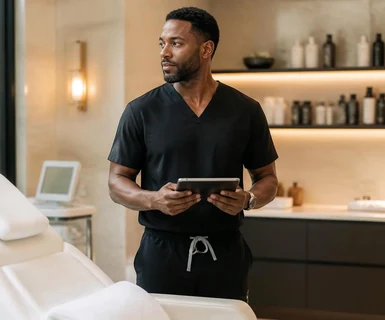
See how AI-powered med spa software is helping aesthetic practices streamline workflows, save time, and improve the client experience...

Beauty optimizers are mixing aesthetics, wellness, and longevity. See what this trend could mean for clients and spa management software...

Natural-looking beauty is shaping 2026. See how this trend may influence medical spa booking software, client expectations, and med spa loyalty...


 Login
Login