Login
Login

Clients may not know every rule behind a medical spa.
They may not know which license applies. They may not know what records must be kept. They may not know how provider oversight works.
But they notice when something feels organized.
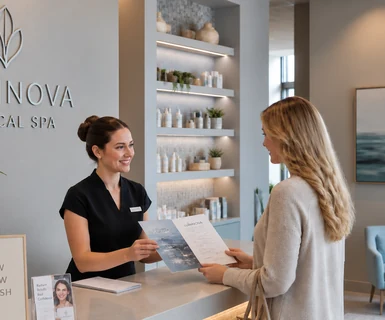
They notice when intake is smooth. They notice when consent is clear. They notice when the provider explains the treatment. They notice when follow-up feels professional.
Medical spa requirements are not just paperwork behind the scenes. They shape how safe, prepared, and trustworthy a practice feels before a client ever books.
This article is not legal advice. Requirements can vary by state, service type, ownership structure, and provider scope. But from the client's point of view, the signs of a well-run med spa are often easy to feel.
What medical spa requirements do clients notice before booking?
Clients usually notice the parts of a med spa that affect their experience directly: smooth intake, clear consent, professional communication, secure records, and confident provider oversight. Even if they do not know the legal details, they can tell when a practice feels prepared and trustworthy.
Clients Notice the Gaps First
A client may not say, "This practice has weak systems." But they may notice:
- The intake form was missing
- Staff asked for the same information twice
- Consent felt rushed
- The provider did not explain the treatment clearly
- No one reviewed their health history
- Follow-up instructions were vague
- The booking process felt messy
These moments can create doubt.
A client wants to feel like the practice is ready for them. That trust starts before the treatment room.
What Makes a Medical Spa Feel Legitimate?
A med spa feels more professional when the client journey is clear from start to finish.
Before booking, clients may look for:
- A clear website
- Easy online booking
- Professional intake forms
- Listed services and treatment details
- Provider confidence and clear communication
- Clean consent steps
- Aftercare instructions
- Follow-up expectations
- Secure handling of personal information
These are simple signals.
They tell the client, "This practice knows what it is doing."
For more on this side of operations, see Medical Spa Requirements: Running a Compliant Practice.
Medical Spa Requirements Shape Client Trust
Medical spa requirements help protect the client and the practice.
They may include rules around:
- Business licensing
- Provider scope of practice
- Medical director oversight
- Client records
- Consent forms
- Treatment notes
- Photo documentation
- Secure storage of health information
Clients may not ask about each item. But they feel the result when these pieces are handled well.
The check-in feels smoother. The consultation feels more complete. The provider has the right information. The follow-up feels tied to the actual treatment.
That is why medical spa requirements should not live in a folder no one checks. They should be part of the daily workflow.
Why Licensing Still Matters to the Client Experience
A business license medical spa owners need is only one part of the bigger picture.
Licensing rules can vary by location. So can rules around who may own the practice, who may perform treatments, and how medical oversight works.
The client does not need to know every detail. But they do want to know:
- Is this practice allowed to offer these services?
- Is the provider trained for this treatment?
- Is there clear oversight?
- Are my records handled correctly?
- Do I know what to expect before and after treatment?
A licensed, well-managed practice should make the client feel informed, not confused.
For more on this topic, see Med Spa Licensing and Software: Get It Right Before You Scale.
Where EMR Supports a Safer Experience
An EMR for medical spa practices is more than a digital chart.
It helps keep the client journey connected.
A strong EMR can support:
- Digital intake
- Health history
- Consent forms
- Treatment notes
- Product or unit records
- Before-and-after photos
- Aftercare details
- Follow-up reminders
When this information is connected, the provider can walk into the room prepared.
That matters to clients.
They do not want to repeat their history every visit. They do not want staff searching for forms. They do not want follow-up that feels generic.
They want the practice to remember them.
Why Systems Matter Before the Client Books
Strong medical spa software systems help make the client experience feel more professional.
They help connect:
- Booking
- Intake
- Consent
- Client records
- EMR
- Photos
- Communication
- Follow-up
- Reporting
When these tools are separate, gaps happen.
Forms get missed. Notes get copied by hand. Follow-up gets delayed. Staff spend more time fixing workflow problems.
When these tools work together, the client sees a smoother practice.
This is where medical spa software becomes more than an admin tool. It becomes part of how the practice builds trust.
What Clients May Check Before Booking
Clients are doing more research before choosing a med spa.
They may check:
- Reviews
- Before-and-after photos
- Service pages
- Provider information
- Website clarity
- Booking process
- Policies
- Consultation details
- Safety language
- Follow-up expectations
A practice does not need to overwhelm clients with every rule. But it should make the basics easy to understand.
The message should be clear:
- You are in the right place
- Your information is handled carefully
- Your provider is prepared
- Your treatment plan will be documented
- Your follow-up will not be forgotten
How AestheticsPro Supports Trust-Building Workflows
AestheticsPro helps medical spas create a more connected client experience.
The platform supports:
- Online booking
- Digital intake forms
- Consent management
- EMR and client records
- Photo documentation
- Client communication
- Follow-up workflows
- Reporting
These tools help teams stay organized before, during, and after the appointment.
For clients, that can mean a smoother visit.
For practices, it can mean fewer missed steps, cleaner records, and a stronger client experience.
Book a free demo and see how AestheticsPro helps medical spas create professional workflows that support trust from the first booking.
Frequently Asked Questions
What medical spa requirements do clients notice most?
Clients usually notice the parts of medical spa requirements that affect their visit. This includes intake forms, consent steps, provider communication, treatment notes, aftercare, and follow-up. When these steps are clear, the practice feels more professional and trustworthy.
Does a business license medical spa requirement affect clients?
A business license medical spa requirement can affect how a practice is allowed to operate. Rules vary by state and service type. Clients may not know the details, but they often notice whether the practice feels clear, organized, and properly managed.
Why does an EMR for medical spa practices matter?
An EMR for medical spa practices helps keep intake, consent, treatment notes, photos, and follow-up connected. This helps providers prepare for each visit and helps clients feel remembered instead of treated like a new file every time.
How do medical spa software systems support trust?
Medical spa software systems support trust by connecting booking, forms, records, communication, photos, and follow-up. When those steps work together, the client experience feels smoother and the practice looks more prepared.
Build a More Trustworthy Client Experience
AestheticsPro helps medical spas connect booking, intake, consent, records, communication, and follow-up in one system. That means fewer missed steps, smoother visits, and a more professional experience clients can feel before they ever book.
See AestheticsPro in Action