Login
Login

A modern aesthetic practice is not defined by one treatment, design style, or technology platform. Its identity comes from how clearly its services, expertise, client experience, team roles, and daily operations work together.
The strongest practices make deliberate choices. They understand who they serve, what they do well, and how the experience should feel from discovery through follow-up. Their team structure, daily workflows, and medi spa software should all support that same direction.
A Clear Service Identity
A long treatment menu does not always create a strong practice identity.
Modern aesthetic practices often organize services around a clearer purpose, such as:
- Skin health
- Injectables
- Body treatments
- Wellness
- Hair restoration
- Long-term treatment plans
- A specific client group or concern
A focused service identity helps clients understand what the practice is known for.
It can also guide:
- Provider training
- Equipment decisions
- Marketing priorities
- Consultation structure
- Follow-up communication
- Future service expansion
Focus does not mean offering only a small number of treatments. It means that the services fit together and support a clear reason for clients to choose the practice.
Expertise Clients Can Understand
Provider skill is central to the practice, but expertise also needs to be visible and easy to understand.
Clients should be able to tell:
- Which services each provider offers
- Where the team has deeper experience
- When a consultation is needed
- What the treatment process includes
- What follow-up may be required
- Who can answer different questions
Clear communication turns internal expertise into client confidence.
This is especially important as aesthetic teams become more varied. A practice may include injectors, estheticians, nurses, managers, and front desk staff with different responsibilities.
The client should still experience one clear, organized practice.
The Client Experience Should Match the Practice Identity
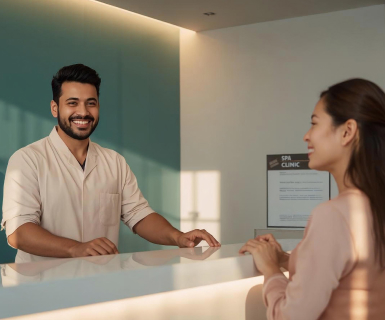
The client experience begins before the appointment.
It may include:
- Discovering the practice online
- Reviewing services
- Requesting information
- Booking a consultation
- Completing forms
- Receiving reminders
- Arriving for treatment
- Paying
- Rebooking
- Receiving follow-up communication
Each step should reflect the same level of clarity and professionalism.
A practice positioned around personal guidance may need a stronger consultation process. A practice built around accessible maintenance treatments may need a faster booking path. A highly specialized practice may need more detailed service education before the client schedules.
The right experience depends on the practice model.
Team Roles Should Support the Experience
A clear practice identity is difficult to maintain when team roles are unclear.
Each part of the team contributes something different:
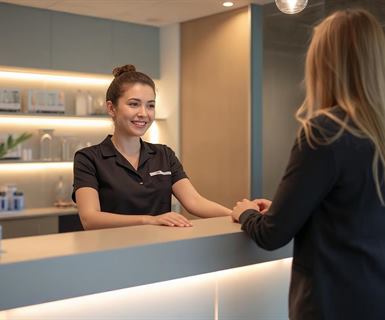
Front Desk
- Answers general questions
- Guides booking
- Manages schedule changes
- Supports check-in and checkout
- Coordinates next steps
Providers
- Conduct consultations
- Deliver treatments
- Document care
- Educate clients
- Recommend appropriate follow-up
Managers and Owners
- Review performance
- Support staff
- Monitor capacity
- Guide growth
- Keep the practice aligned with its goals
The practice works best when staff understand both their own role and how it connects to the rest of the client journey.
This is where esthetician management software and other practice tools should support the team structure rather than add another layer of confusion.
Operations Should Support the Brand Promise
A practice may promise clarity, personalization, or convenience. Its operations need to support that promise.
For example:
- Clear service information should connect to clear booking options.
- Personalized care should be supported by accessible client history.
- Consistent follow-up should not depend on one staff member remembering every task.
- A polished experience should continue through forms, reminders, payments, and rebooking.
Technology is only one part of this foundation, but it plays an important role.
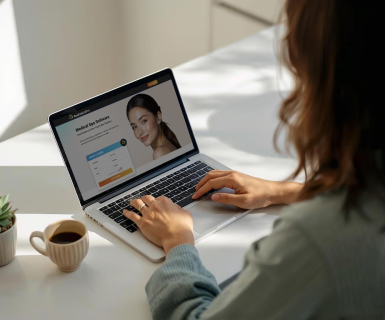
The right medi spa software should help the practice manage the work behind its client experience.
That may include:
- Scheduling
- Client profiles
- Forms
- Documentation
- Communication
- Payments
- Memberships
- Reporting
The goal is not to add more technology. It is to choose tools that fit how the practice operates.
Software Should Fit the Practice Model
Practices often outgrow generic systems because their workflows become more specific.
A growing team may need clearer permissions. A specialized service may require different forms. A multi-provider practice may need better schedule visibility. A small practice may need one platform that supports several roles without creating extra administrative work.
When evaluating medi-spa software, practices should look beyond the feature list.
Ask:
- Does the system support the services we provide?
- Can different staff members access what they need?
- Does booking connect with the rest of the workflow?
- Can client information remain organized?
- Can the practice review performance clearly?
- Will the system still fit as the team grows?
Purpose-built aesthetic clinic software should adapt to the practice rather than force every business into the same operating model.
For smaller teams, spa software for small business should provide a strong foundation without requiring several disconnected tools.
A Modern Practice Evaluation Checklist
Use this checklist to review whether the practice has a clear identity and the operations to support it.
Services
- Is the service focus easy to understand?
- Do the treatments support a clear practice direction?
- Are new services added for a specific reason?
Expertise
- Are provider roles clearly explained?
- Can clients identify the right consultation path?
- Does the team communicate services consistently?
Experience
- Is the next step clear?
- Does booking match the practice model?
- Are forms, reminders, and follow-up organized?
Team
- Does each role have clear responsibilities?
- Can staff find the information they need?
- Can the team support the experience consistently?
Systems
- Do the tools support the actual workflow?
- Is client information connected?
- Can the practice review results and make decisions?
- Can the foundation support future growth?
A modern practice does not need to follow one exact formula. It needs alignment between what it offers, how it serves clients, and how the work is managed.
Build the Practice Behind the Brand
A modern aesthetic practice is shaped by more than its visual identity. Its services, expertise, client journey, staff roles, and operating systems all need to support the same direction.
AestheticsPro gives aesthetic practices a connected platform for booking, client management, electronic records, forms, communication, payments, reporting, memberships, and other daily needs.
Book a free demo to see how AestheticsPro can support the practice you are building.
Frequently Asked Questions
What makes an aesthetic practice feel modern?
A modern practice usually combines clear services, visible provider expertise, an organized client experience, defined staff roles, and technology that supports the workflow. The goal is not simply to appear current. It is to make the practice easier to understand and manage.
Does a modern aesthetic practice need a narrow treatment focus?
Not necessarily. A practice can offer a broad range of services while maintaining a clear identity. The important point is that the treatments, team expertise, marketing, and client experience support a consistent direction.
How does software affect the practice identity?
Software supports the experience behind the scenes. It can help connect booking, client information, forms, communication, payments, and reporting. When those systems fit the practice model, the team can deliver a more consistent experience.
Should a small practice plan for future growth?
Yes, but it should not add complexity before it is needed. A strong foundation should support the current team while leaving room for additional providers, services, clients, or locations.
Build the Practice Behind the Brand
AestheticsPro gives aesthetic practices a connected platform for booking, client management, electronic records, forms, communication, payments, reporting, memberships, and other daily needs.
Book a FREE Consultation