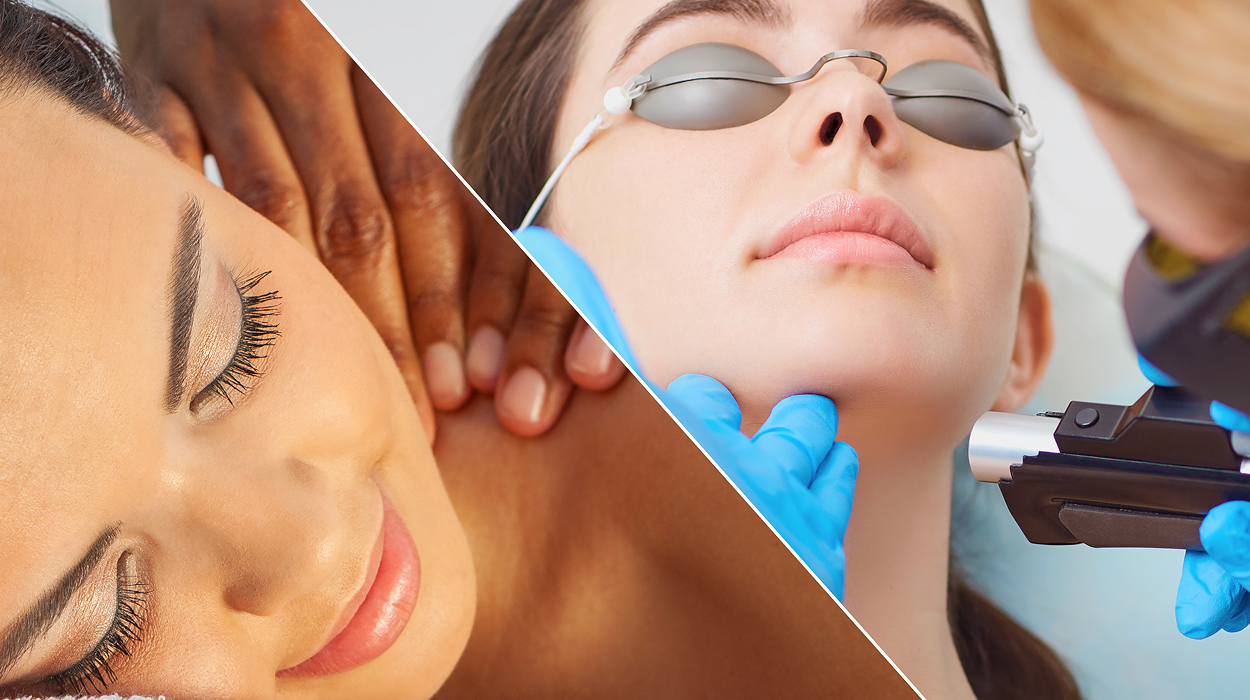

If you've ever searched for software to run your spa or aesthetic practice, you've probably seen terms like "spa management software" and "med spa software" used as if they're interchangeable.
They're not.
A wellness spa, massage clinic, or traditional day spa has very different needs from a medical spa offering injectables, laser treatments, and other medical aesthetic services. While both types of businesses need tools for scheduling, payments, and client management, medical spas also have clinical documentation, security, and compliance needs.
Understanding these differences can help you choose software that fits your business today and supports where you want to go next.
Traditional spa management software is generally designed for wellness-focused businesses offering services such as massages, traditional facials, body treatments, and other non-medical services.
These platforms typically focus on the day-to-day operational side of running a spa, with features such as:
For day spas, massage practices, salons, and wellness centers, these tools can provide the functionality needed to keep appointments and daily operations organized.
But medical aesthetic practices have another layer of complexity.
Med spa software must support both the business and clinical sides of a practice.
Medical spas may provide services such as injectables, laser treatments, microneedling, chemical peels, and other procedures performed or overseen by licensed medical professionals.
That means scheduling and payment tools aren't enough. A medical spa may also need tools for electronic medical records, treatment documentation, consent forms, before-and-after photos, treatment histories, and secure management of sensitive client information.
Let's look at some of the biggest differences.
One of the clearest differences between spa and medical spa software is clinical documentation.
Traditional spa software may provide basic client notes and appointment histories. Med spa software, on the other hand, is designed to support more detailed treatment documentation.
Medical spa software may include:
These tools help providers keep important treatment information organized and accessible.
For practices offering Botox, fillers, lasers, or other medical aesthetic procedures, having structured documentation also helps providers understand a client's previous treatments before providing their next service.
Medical aesthetic practices may handle protected health information, making privacy and data security an important consideration when choosing software.
General spa platforms aren't necessarily designed around the same requirements as software built for medical practices.
Depending on the platform, HIPAA-compliant med spa software may provide features such as:
Before selecting a platform, practices should understand which regulatory requirements apply to their operations and confirm that their technology can support those requirements.
Both spa and med spa software offer scheduling, but the way appointments are managed can differ.
Traditional spa scheduling may focus primarily on service duration, staff availability, and general appointment booking.
Medical aesthetic scheduling can involve additional factors, including:
For example, scheduling a short injectable appointment can involve different resources than scheduling a longer laser procedure.
Software designed for medical aesthetics can help practices coordinate these details within the scheduling workflow.
Memberships are popular across both traditional and medical spas, but medical aesthetic packages can require more detailed tracking.
Medical spa software may support recurring billing, discounts, loyalty rewards, and recurring appointments.
Med spa software may need to track things like:
This can become especially important as practices expand their membership and package offerings.
Rather than relying on staff to manually track how many treatments a client has remaining, the information can stay connected to the client's record.
Reporting is another area where the needs of a traditional spa and medical spa can differ.
General spa software may provide useful information about overall revenue, booking trends, retail sales, and package usage.
Medical spa owners may want more detailed insight into areas such as:
These reports can help owners understand what's happening across different parts of the practice.
Instead of relying only on total monthly revenue, for example, a practice can look more closely at which treatments, providers, or services are contributing to performance.
Both types of software may offer marketing tools, but med spa marketing can require workflows built around the client treatment journey.
A traditional spa might use software for birthday promotions, loyalty programs, general emails, and appointment reminders.
Medical spa software may support more treatment-focused communication, such as:
For example, instead of manually identifying every client who may be due for another treatment, practices can use client and treatment information to support more relevant follow-up.
That helps connect marketing with the information already being collected throughout the client journey.
Software that works for a small practice may not always work as the business adds providers, locations, services, and clients.
This is especially important for wellness businesses considering adding medical aesthetic services in the future.
As a practice grows, it may need:
Starting with med spa management software that can accommodate future growth may help reduce the need to migrate systems later.
Switching platforms after your practice has accumulated years of client records, forms, photos, and treatment histories can create additional work for both staff and providers.
The answer depends largely on the services your business provides.
If you operate a traditional day spa, massage practice, or wellness center offering only non-medical services, general spa management software may provide the tools you need for scheduling, payments, and basic client management.
If your practice provides medical aesthetic treatments, you'll likely need a platform capable of supporting the additional clinical and operational workflows that come with those services.
Future plans matter, too.
If you're currently operating a wellness spa but plan to introduce injectables, laser treatments, or other medical aesthetic services, consider whether your current software can support those services before you expand.
Choosing technology with your future business model in mind may be easier than switching systems after you've already grown.
Med spa software doesn't have to be limited to medical treatments.
A hybrid practice might offer traditional facials, wellness services, and body treatments alongside injectables, lasers, and other medical aesthetic procedures.
In that environment, a platform capable of supporting both sides of the business can help keep client information, appointments, payments, memberships, and clinical records within a more connected system.
This can be particularly useful for businesses that are gradually moving from a traditional spa model toward a broader medical aesthetics offering.
The difference between spa management software and medical spa software isn't simply the number of features each platform offers. It's about whether those features match the way your business actually operates.
Traditional spas need strong tools for booking, payments, client management, and everyday operations.
Medical spas need those tools too, but they may also need clinical documentation, EMR capabilities, secure records, consent management, treatment tracking, and more detailed reporting.
AestheticsPro is designed specifically for medical spas and aesthetic practices, bringing clinical and business tools together in one platform. Features include HIPAA-compliant cloud infrastructure, EMR and e-record capabilities, e-docs, e-photos, online booking, point-of-sale tools, marketing capabilities, and reporting.
For wellness spas planning to expand into medical aesthetics, choosing a platform built to accommodate both operational and clinical workflows can also provide a foundation for future growth.
Ultimately, choosing between spa management software and medical spa software comes down to your services, operational requirements, and plans for the future. The right platform should support the business you operate today without becoming a roadblock to the practice you want to build tomorrow.
Can I use regular spa management software for a med spa?
General spa software may handle basic functions like scheduling and payments, but medical aesthetic practices can have additional needs related to clinical documentation, treatment tracking, consent management, security, and compliance. Before choosing a platform, confirm that it supports the requirements that apply to your practice.
What should I look for in med spa software?
Consider features such as EMR functionality, secure client records, treatment documentation, digital consent forms, before-and-after photo management, scheduling, reporting, marketing tools, and the ability to grow with your practice.
Do I need med spa software if I'm starting with basic spa services?
If you have any plans to add medical aesthetic services in the future, starting with the right platform saves you from a disruptive migration later. It's far easier to grow into features you don't fully use yet than to switch entire systems when you're already busy running a growing practice.
Can med spa software manage traditional spa services?
Depending on the platform, yes. This can make medical spa software particularly useful for hybrid businesses that provide both wellness and medical aesthetic services.
Related articles on growth, operations, and the systems shaping modern medical aesthetics practices.
Discover holiday upselling strategies to increase revenue in a med spa with packages, med spa loyalty programs, and med spa software...

Explore post-GLP-1 aesthetic treatments for volume loss, skin laxity, body contouring, and how medical spa software supports ongoing care...
Plan for the med spa holiday rush with a practical checklist for staffing, revenue, inventory, communication, and medical aesthetics software...

Learn how to plan winter aesthetic procedures before holiday events, including timing, downtime, skin quality, and natural-looking results...

See when growing med spas need med spa management software, what small business tools may outgrow, and what to look for next...
See what medical spa booking software should do before the visit, from intake and reminders to connected practice workflows...

See how spa management software can support repeat visits, memberships, stronger client retention, and long-term medspa growth...
See how AI-powered med spa software is helping aesthetic practices streamline workflows, save time, and improve the client experience...

Beauty optimizers are mixing aesthetics, wellness, and longevity. See what this trend could mean for clients and spa management software...


 Login
Login