
Data security is a critical concern for businesses across all industries, and the aesthetics sector is no exception. While compliance with regulations like HIPAA (Health Insurance Portability and Accountability Act) is crucial for protecting sensitive patient information, medspa owners must also be vigilant about all aspects of data security to safeguard their clients' privacy and maintain trust. Utilizing appropriate medical spa management safeguards both you and your clients against numerous security threats. Let's explore additional measures that medspa owners can take to enhance data security.
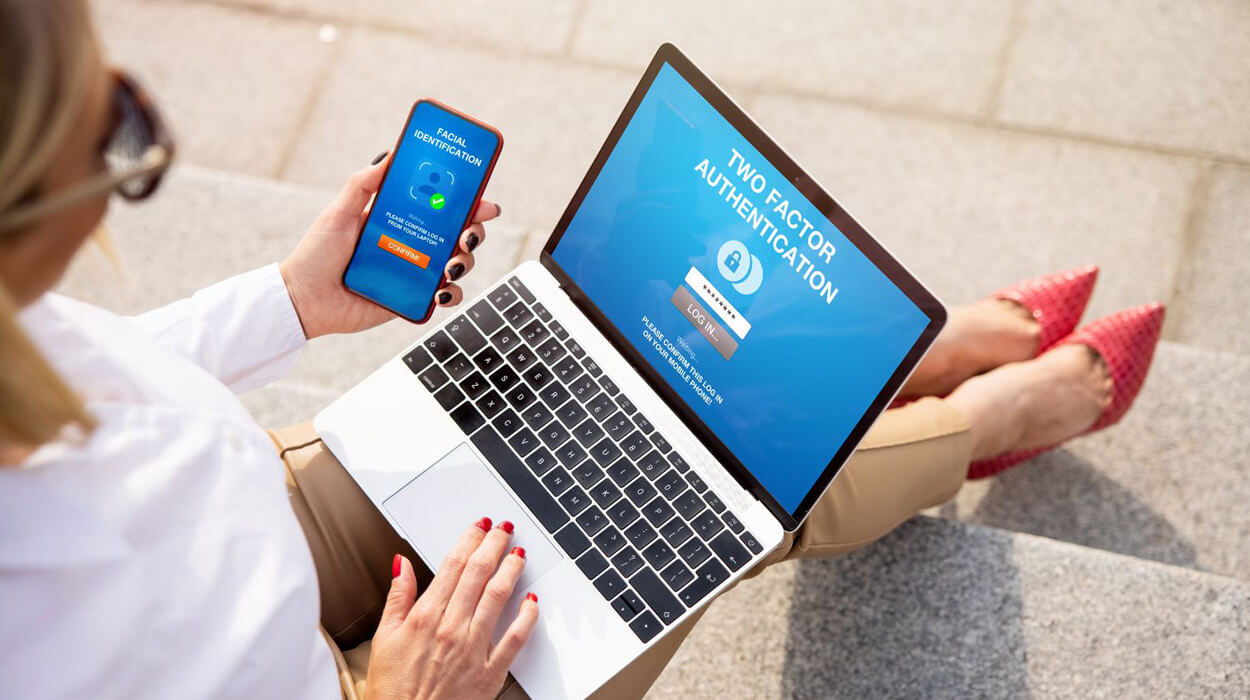
Two-factor authentication (2FA) presents a powerful solution to common security challenges faced by medspa owners. By requiring a second form of verification beyond just a password, 2FA dramatically reduces the risk of unauthorized access, effectively safeguarding against potential hacking attempts. This added layer of security ensures that even if passwords are compromised, critical and confidential client information remains protected. Implementing 2FA is a proactive step towards maintaining the integrity of client data and upholding the trust that clients place in their medspa providers.
Medspas often process payments for services and products, which involves handling sensitive financial information. Compliance with PCI DSS ensures that credit card data is securely stored, processed, and transmitted. Implementing PCI DSS-compliant payment processing systems and adhering to best practices for secure transactions can mitigate the risk of data breaches and protect both the business and its clients from fraud.
Maintaining a secure Wi-Fi network is essential for preventing unauthorized access to sensitive data. Medspa owners should implement strong encryption protocols, regularly update network equipment, and restrict access to authorized personnel only. Additionally, endpoint security measures such as antivirus software, firewalls, and device encryption help protect against malware and unauthorized access to devices like computers, tablets, and smartphones used within the spa.
Human error is often a significant factor in data breaches. Providing comprehensive training to staff members on data security best practices, including good password management practices, recognizing phishing attempts, and handling sensitive information, can significantly reduce the risk of insider threats and accidental data leaks. Implementing strict access controls also limits employee access to only the information and systems necessary for their roles, further minimizing the potential for unauthorized data access or misuse.
Encrypting sensitive data both at rest and in transit adds an extra layer of protection against unauthorized access. Electronic medical records should utilize encryption protocols to safeguard patient information. Also, regular data backups ensure that critical information is not lost in a security breach, hardware failure, or other unforeseen incidents. There is one medical aesthetics software platform, that stands strong in this field. At AestheticsPro, all electronic transactions are encrypted with 256-bit encryption, the same as the US Government, ensuring that your data is protected from the moment of entry.
Many med spas rely on third-party vendors for services such as cloud hosting, software solutions, and payment processing. It's essential to vet these vendors carefully and ensure they adhere to stringent security standards. Conducting regular security assessments and audits of vendor systems and practices can help identify and address any potential vulnerabilities or compliance gaps that may pose a risk to the security of your spa's data.
As the aesthetics sector increasingly grapples with the importance of data security, it's evident that merely complying with regulations like HIPAA is insufficient to protect sensitive client information. In this pursuit, medspa owners are urged to adopt a multifaceted approach, bolstered by measures such as two-factor identification, PCI DSS compliance, secure Wi-Fi networks, employee training, encryption, and vigilant vendor management. These proactive steps not only fortify defenses against potential breaches but also reinforce the trust and confidence clients place in their medspa providers. By prioritizing comprehensive data security practices, medspa establishments can safeguard both their reputation and the privacy of their clientele, ensuring the integrity and longevity of their business endeavors.
Related articles on growth, operations, and the systems shaping modern medical aesthetics practices.

See when growing med spas need med spa management software, what small business tools may outgrow, and what to look for next...

See what medical spa booking software should do before the visit, from intake and reminders to connected practice workflows...

See how spa management software can support repeat visits, memberships, stronger client retention, and long-term medspa growth...
See how AI-powered med spa software is helping aesthetic practices streamline workflows, save time, and improve the client experience...

Beauty optimizers are mixing aesthetics, wellness, and longevity. See what this trend could mean for clients and spa management software...

Natural-looking beauty is shaping 2026. See how this trend may influence medical spa booking software, client expectations, and med spa loyalty...

Explore medical spa requirements as aesthetics expands toward longevity, wellness, technology, and more connected client experiences...

See what separates the best medi spa software, from connected workflows and usability to reporting, support, and long-term practice fit...

See how fall beauty is getting bolder and how medspa management software can help aesthetic practices respond to shifting client interests...
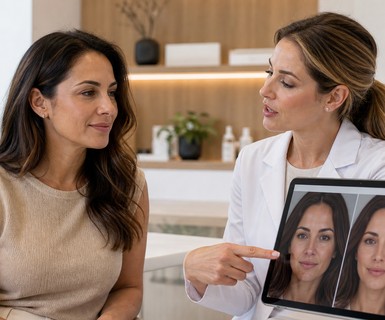
See how AI-edited beauty images are changing consultations and why an EMR for medical spa teams can help preserve clear goals and records...

Use spa management software and a focused fall reset to reconnect clients, organize follow-up, and prepare your aesthetic practice for year-end...

See how Love Island shapes summer beauty expectations and how medical spa booking software can support rising client interest...

Learn what makes AI useful in medical spa software, from connected information and clear tasks to reliable human handoffs...

See how services, expert teams, client experience, and medi spa software help shape the modern aesthetic practice...

See how spa management software, clear priorities, and connected operations support steady medical spa growth...
See how connected medical spa software systems support clearer workflows, stronger reporting, and more consistent daily operations...

Learn what to prioritize in spa software for small business, from booking and client records to payments and future growth...
See how medical spa booking software became part of the client experience and why connected scheduling now matters...

See why Botox remains a key med spa treatment and how medical spa software helps support repeat visits, loyalty, and long-term growth...

See which medical spa requirements clients notice before booking and how the right systems help build trust, safety, and confidence...

Learn simple ways to get more value from your medical spa management software through better workflows and reporting...

See what good medi spa software handles for you every day, from booking to checkout, in plain simple terms...

Explore 7 trends shaping the medical spa industry in 2026, from client retention to AI and the systems behind medical spa management...
Discover the 12 systems every growing practice needs for medical spa management, from scheduling to compliance, in one connected platform...
See how medical spa practice management software supports estheticians, providers, and front desk teams in one connected platform...

Use this medspa software checklist to evaluate booking tools, system reporting, and scalability before choosing your platform...

The best medspa software does more than organize appointments. It connects compliance, charting, payments, retention, and reporting into one system...

Missed follow-up, preventable no-shows, weak retention, and disconnected systems can quietly drain margin from a growing practice...
When most medspa owners think about spa management software, they picture a scheduling tool. That narrow view is why practices hit a ceiling...

Growing a med spa is the goal. It is also the moment when everything that worked before starts showing its limits...

Clients notice when intake, treatment context, and follow-up feel seamless...

Med spa clients in 2026 arrive informed, comparison-shopping, and ready to judge the full client experience as much as the treatment itself...

Most med spa owners think about licensing when they open. Fewer revisit it before adding a provider, expanding services, or opening a second location...
Men are booking Botox, skin treatments, laser hair removal, hair growth services, and body contouring in steadily increasing numbers...

Potential clients are asking AI-powered tools where to go next. Med spas that show up consistently have clear content, accurate listings, and crawlable sites...

Most med spas searching for spa management software need more than calendars. They need connected booking, compliance, and workflows...

Running a medical spa means balancing compliance, records, and growth. The right EMR helps medspas stay documented and audit-ready...

The best medical spa software connects booking, intake, and follow-up to improve client retention and strengthen repeat visits...
Aesthetic clinics are moving away from general booking tools and basic scheduling apps in favor of software built for how medical spas actually operate...
If you are demoing spa management software right now and every platform looks roughly the same, you are not alone. Feature lists blur together, demos show...
If your med spa clients come in once for Botox, maybe return for a filler follow-up, and then disappear for six months, you do not have a demand problem. You...

An EMR for medical spa teams should do more than store records. It should help providers document care clearly, support front desk workflows, improve...


 Login
Login