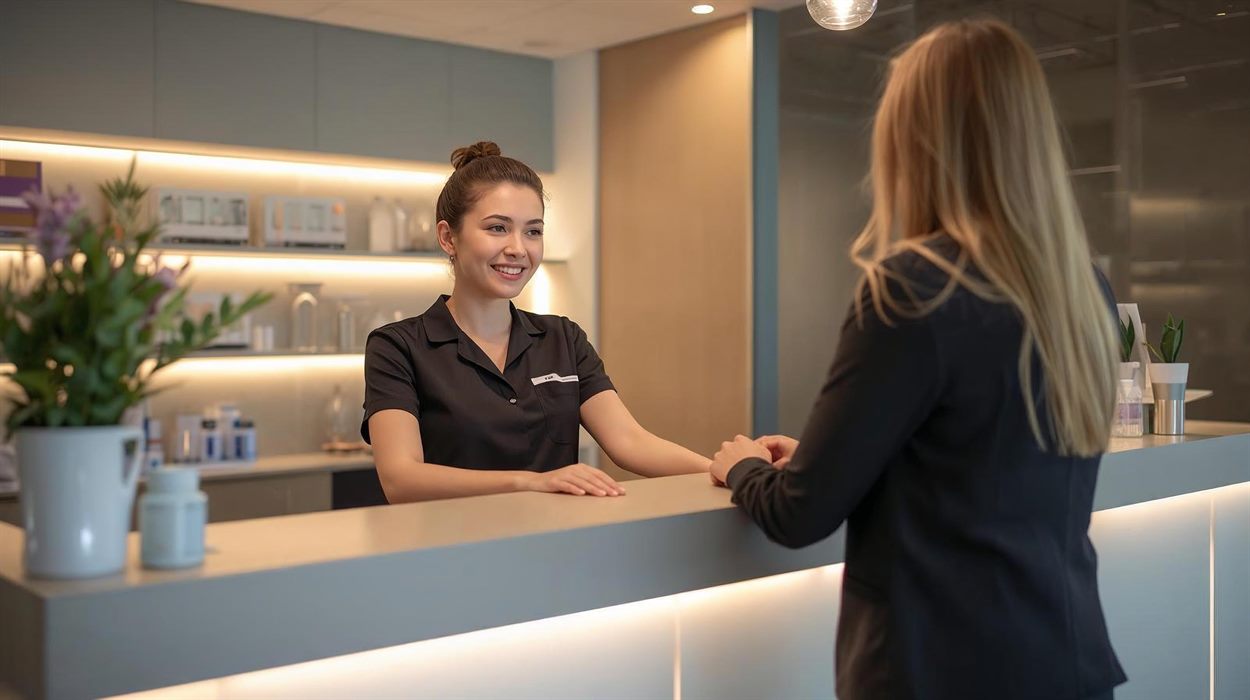

Something is shifting in how aesthetic clinics choose the tools they run on. Practices that once relied on general booking platforms, salon software, spreadsheets, or basic scheduling apps are now moving toward aesthetic software built specifically for how medical spas and aesthetic practices operate.
This shift is not happening because general tools suddenly stopped working. It is happening because the gap between general software and the real needs of aesthetic clinics has become harder to ignore. Compliance expectations are higher. Client expectations are more digital. Documentation needs are more detailed. Growth depends on better follow-up, cleaner workflows, and fewer disconnected systems.
For many practices, 2026 is becoming the year they stop trying to make general software fit a clinical aesthetic business.
Aesthetic software is a platform built to support the clinical, operational, and client-facing needs of aesthetic practices. It is not simply a booking calendar with a few extra features.
For an aesthetic clinic, software needs to support scheduling, intake, consent forms, treatment documentation, before-and-after photos, client communication, reporting, and HIPAA-conscious workflows. General software usually handles the appointment layer. Purpose-built aesthetics software supports the clinical and business layers too.
That distinction matters. A salon or general service business may only need to book an appointment, send a reminder, and process payment. An aesthetic clinic often needs to document what happened during the visit, connect forms to the client record, track provider notes, support follow-up, and protect sensitive client information.
When those pieces live in separate systems, the practice creates more work for the team and more room for errors.
General booking tools are usually designed for broad service businesses. They may work well for simple scheduling, but aesthetic clinics have more complex requirements.
The biggest gaps usually show up in four areas:
These are not minor inconveniences. They are core parts of running a modern aesthetic practice.
When software cannot support them directly, teams build workarounds. They use separate form tools, paper files, shared folders, notes apps, spreadsheets, or manual reminders. At first, those workarounds may seem manageable. Over time, they become a source of friction, compliance concern, missed follow-up, and lost revenue opportunity.
In a general spa or salon, the appointment may be the main transaction. In an aesthetic clinic, the appointment is part of a larger clinical relationship.
A client receiving injectables, laser treatments, skin services, or other aesthetic procedures may have intake forms, consent documents, treatment notes, product details, before-and-after photos, and follow-up needs tied to that visit. Those records should not be scattered across multiple systems.
The right aesthetic clinic software connects the appointment to the client record. That allows providers and staff to see the full picture: what the client booked, what forms were completed, what treatment was performed, what notes were added, and what follow-up should happen next.
That connected workflow helps the practice feel more organized internally and more professional to the client.
The best med spa software is not just the platform with the longest feature list. It is the platform that connects the most important workflows in one place.
For aesthetic clinics replacing general software, the most important capabilities include:
The goal is not more software. The goal is fewer disconnected tools and a cleaner workflow from first inquiry to long-term client retention.
The compliance case for switching away from general software is clear, but the business case is just as important.
Disconnected systems slow the practice down. Staff may need to move between multiple platforms to check in one client, confirm a form, review history, collect payment, and schedule the next visit. That creates delays at the front desk and makes the client experience feel less polished.
General software can also weaken follow-up. If the system does not know what treatment the client received, it cannot easily trigger the right next message. If rebooking prompts are not connected to checkout, the team may miss the best moment to schedule the next visit. If reporting does not connect activity to revenue, owners may struggle to see where growth is being lost.
Purpose-built software helps close these gaps. It can support better follow-up, stronger rebooking, smoother check-ins, and clearer reporting. It can also help practices increase med spa leads more effectively by making it easier to capture inquiries, respond quickly, and move prospects into booked appointments without adding more manual work.
AestheticsPro is purpose-built for medical spas and aesthetic practices, which means it is designed around the workflows general software often misses.
Instead of forcing practices to connect multiple tools, AestheticsPro helps bring key operational and clinical workflows into one platform. That includes scheduling, digital forms, treatment documentation, client communication, reporting, and HIPAA-conscious record handling.
For aesthetic clinics, that means fewer workarounds and a more connected experience. Intake can connect to the client record. Documentation can connect to the appointment. Follow-up can connect to the treatment. Reporting can connect daily activity to business performance.
That connection is what makes the platform more than a scheduling tool. It becomes part of how the practice protects client information, supports providers, improves the front desk experience, and creates a more consistent client journey.
For practices comparing options, the Spa Management Software Buyer's Guide for MedSpas can help clarify what to look for in a platform built for aesthetic workflows. For teams already feeling the pressure of disconnected tools, When to Replace Your Spa Management Software: 7 Signs offers a helpful framework for deciding whether it is time to make a change.
Aesthetic clinics are not replacing general software simply because they want something new. They are replacing it because the business has outgrown tools that were never designed for clinical aesthetics.
The right software should fit the way the practice actually operates. It should support compliance-conscious workflows, organized documentation, smoother client communication, stronger follow-up, and better visibility into growth.
In 2026, purpose-built aesthetic software is becoming less of a premium upgrade and more of a practical foundation for practices that want to scale without adding unnecessary friction.
AestheticsPro helps aesthetic clinics make that shift with software built for the clinical, operational, and client-facing needs of modern medspas.
Book a free demo today and see how AestheticsPro compares to what your practice is running now.
Aesthetic software is a platform built specifically for the clinical, operational, and client-facing needs of aesthetic practices. Unlike general booking tools, it supports treatment documentation, consent forms, HIPAA-conscious record management, and connected follow-up, not just scheduling. For aesthetic clinics, that clinical layer is what makes the software actually fit the business.
The best med spa software for an aesthetic clinic should connect online booking, digital intake and consent forms, treatment documentation, before-and-after photo support, automated follow-up, and reporting in one platform. The goal is fewer disconnected tools and a cleaner workflow from first inquiry through long-term client retention.
Aesthetic clinic software supports clinical workflows that general booking tools were not built to handle: consent management, treatment notes, provider documentation, HIPAA-conscious record handling, and treatment-specific follow-up. General software manages appointments. Aesthetic clinic software manages the clinical relationship behind it.
Aesthetic clinics are replacing general software because the gap between what those tools offer and what clinical practices actually need has grown too wide to bridge with workarounds. Compliance requirements, documentation needs, client expectations, and growth goals now require a platform built for aesthetic workflows, not adapted from general service business tools.
Related articles on growth, operations, and the systems shaping modern medical aesthetics practices.

See when growing med spas need med spa management software, what small business tools may outgrow, and what to look for next...

See what medical spa booking software should do before the visit, from intake and reminders to connected practice workflows...

See how spa management software can support repeat visits, memberships, stronger client retention, and long-term medspa growth...
See how AI-powered med spa software is helping aesthetic practices streamline workflows, save time, and improve the client experience...

Beauty optimizers are mixing aesthetics, wellness, and longevity. See what this trend could mean for clients and spa management software...

Natural-looking beauty is shaping 2026. See how this trend may influence medical spa booking software, client expectations, and med spa loyalty...

Explore medical spa requirements as aesthetics expands toward longevity, wellness, technology, and more connected client experiences...

See what separates the best medi spa software, from connected workflows and usability to reporting, support, and long-term practice fit...

See how fall beauty is getting bolder and how medspa management software can help aesthetic practices respond to shifting client interests...
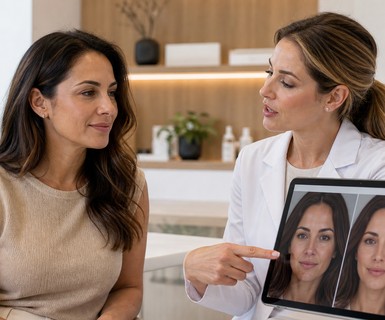
See how AI-edited beauty images are changing consultations and why an EMR for medical spa teams can help preserve clear goals and records...

Use spa management software and a focused fall reset to reconnect clients, organize follow-up, and prepare your aesthetic practice for year-end...

See how Love Island shapes summer beauty expectations and how medical spa booking software can support rising client interest...

Learn what makes AI useful in medical spa software, from connected information and clear tasks to reliable human handoffs...

See how services, expert teams, client experience, and medi spa software help shape the modern aesthetic practice...

See how spa management software, clear priorities, and connected operations support steady medical spa growth...
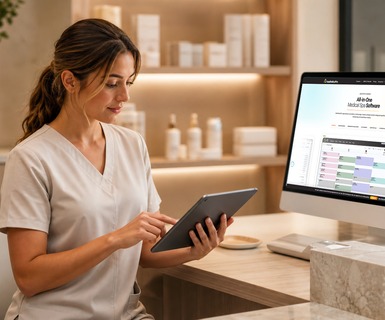
See how connected medical spa software systems support clearer workflows, stronger reporting, and more consistent daily operations...

Learn what to prioritize in spa software for small business, from booking and client records to payments and future growth...
See how medical spa booking software became part of the client experience and why connected scheduling now matters...

See why Botox remains a key med spa treatment and how medical spa software helps support repeat visits, loyalty, and long-term growth...

See which medical spa requirements clients notice before booking and how the right systems help build trust, safety, and confidence...

Learn simple ways to get more value from your medical spa management software through better workflows and reporting...

See what good medi spa software handles for you every day, from booking to checkout, in plain simple terms...

Explore 7 trends shaping the medical spa industry in 2026, from client retention to AI and the systems behind medical spa management...
Discover the 12 systems every growing practice needs for medical spa management, from scheduling to compliance, in one connected platform...
See how medical spa practice management software supports estheticians, providers, and front desk teams in one connected platform...

Use this medspa software checklist to evaluate booking tools, system reporting, and scalability before choosing your platform...

The best medspa software does more than organize appointments. It connects compliance, charting, payments, retention, and reporting into one system...

Missed follow-up, preventable no-shows, weak retention, and disconnected systems can quietly drain margin from a growing practice...

When most medspa owners think about spa management software, they picture a scheduling tool. That narrow view is why practices hit a ceiling...

Growing a med spa is the goal. It is also the moment when everything that worked before starts showing its limits...

Clients notice when intake, treatment context, and follow-up feel seamless...

Med spa clients in 2026 arrive informed, comparison-shopping, and ready to judge the full client experience as much as the treatment itself...

Most med spa owners think about licensing when they open. Fewer revisit it before adding a provider, expanding services, or opening a second location...

Men are booking Botox, skin treatments, laser hair removal, hair growth services, and body contouring in steadily increasing numbers...

Potential clients are asking AI-powered tools where to go next. Med spas that show up consistently have clear content, accurate listings, and crawlable sites...

Most med spas searching for spa management software need more than calendars. They need connected booking, compliance, and workflows...

Running a medical spa means balancing compliance, records, and growth. The right EMR helps medspas stay documented and audit-ready...

The best medical spa software connects booking, intake, and follow-up to improve client retention and strengthen repeat visits...
If you are demoing spa management software right now and every platform looks roughly the same, you are not alone. Feature lists blur together, demos show...
If your med spa clients come in once for Botox, maybe return for a filler follow-up, and then disappear for six months, you do not have a demand problem. You...

An EMR for medical spa teams should do more than store records. It should help providers document care clearly, support front desk workflows, improve...


 Login
Login