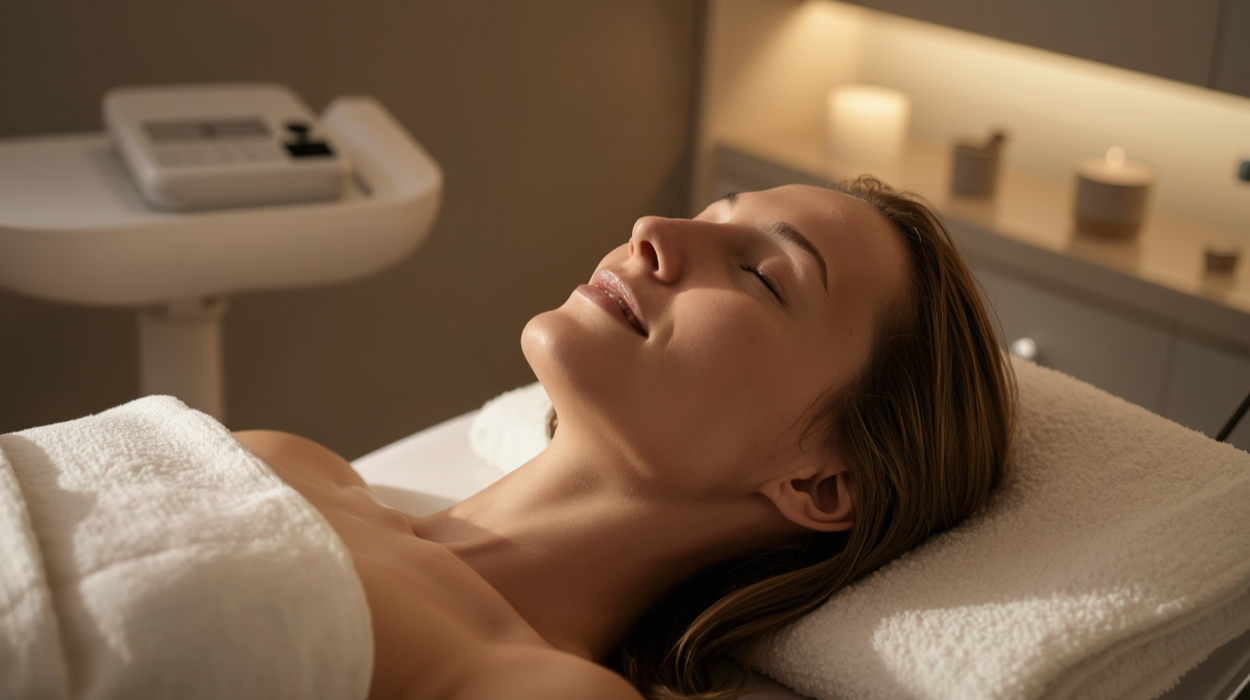

Clients do not think about your electronic medical records system. They do not know what it is called, what it does behind the scenes, or how it connects to your booking platform. What they do notice is whether their intake form was ready when they walked in, whether their provider remembered what they discussed last time, and whether the follow-up they received actually reflected their treatment.
That entire experience runs through your EMR. When it works well, clients feel cared for and professionally handled. When it does not, they feel like a number, and that difference is one of the most direct levers a practice has on its reputation.
This is what a well-built EMR for medical spa practices actually looks like from the client’s point of view and why the system your team uses to document care shapes the experience your clients are paying for.
An EMR for medical spa practices is not only a documentation system, it is a core part of the medical spa software infrastructure behind intake, treatment history, consent, photos, follow-up, and continuity of care.
The client experience at a med spa begins long before the first appointment. In 2026, clients expect the intake process to be digital, clear, and ready before they walk through the door. A practice that sends a digital form in advance, confirms the appointment with clear instructions, and sends a timely reminder signals organization and professionalism before anyone has said hello. That entire pre-arrival sequence is driven by the EMR and booking system working together.
When those systems are connected, the experience feels seamless. When they are not, the gaps show immediately. A client who arrives and is handed a paper form to fill out at the desk, then watches staff retype that information into a computer, is already forming an impression. That impression is not about paperwork. It is about whether this practice has its operations together.
The practices that consistently earn strong first impressions have one thing in common: clients arrive to a chart that is already prepared, an intake that is already completed, and a check-in that takes minutes rather than a clipboard and a pen.
The most important moment in the EMR-to-client relationship happens during the consultation or treatment itself. A provider who opens the chart and can immediately see the client’s previous treatments, documented photos, noted preferences, and any flagged concerns communicates something before a single word is spoken: I know who you are and I have been paying attention.
The opposite experience is equally powerful and not in a good way. A provider who asks what was done last visit, cannot locate a before photo, or has to leave the room to check a record creates friction in a moment that should feel seamless. Most clients will not say anything. They will smile, answer the question, and then quietly compare the experience to a practice that had their notes ready.
For aesthetic practices specifically, photo documentation is not only a clinical requirement. It is a retention tool. Showing a client a side-by-side before and after is one of the most effective ways to reinforce the value of the care they are receiving. That moment only works if the photos were captured, stored, and surfaced correctly, which is a direct function of how well the EMR is structured and used by the clinical team.
The post-visit experience is where the majority of practices lose clients they have already won. A client who had an excellent first appointment but received no meaningful follow-up, no aftercare that reflected their specific treatment, and no rebooking prompt timed to their care cycle is a client who drifts. Not because they were dissatisfied, because nothing brought them back.
What clients notice after a visit:
This is the stage where an EMR for medspa practices either earns long-term loyalty or loses it quietly. The practices that retain clients most effectively have automated this post-visit sequence through their EMR rather than relying on front desk staff to remember to send it manually. Consistent follow-up is not a personality trait. It is a system.
Not every EMR is designed for the aesthetic environment. General clinical systems built for primary care often lack the features that make a meaningful difference in a med spa setting: aesthetic-specific consent templates, before-and-after photo documentation built into the chart, treatment diagramming, unit and product tracking, and automated client communication tied to the appointment.
The gap between a general medical EMR and one built specifically for aesthetics is significant and clients feel it, even when they cannot articulate why. A practice running on a system that was not designed for its workflows is always working against friction that should not exist.
The best EMR for medical spa teams supports the full arc of the client relationship. Intake connects directly to the clinical chart. Photos are captured and stored in the client’s record. Consent is documented with timestamps. Providers have full context before they walk in the room. Follow-up goes out automatically. And the practice has a complete, audit-ready record of every interaction.
A straightforward way to evaluate whether your EMR is performing at the client experience level is to walk through a visit as if you were the client. Does the intake arrive digitally before the appointment? Does the provider reference something specific from the last visit? Are before photos taken and explained consistently? Does the follow-up reflect what actually happened in the room?
If any of those moments depend on individual staff habits rather than a reliable system, the EMR is creating gaps the client is noticing. Upgrading to the right aesthetic emr is not just an operational decision. It is a client experience decision with direct impact on retention, referrals, and long-term revenue.
AestheticsPro combines a fully integrated EMR with booking, digital intake, client communication, photo documentation, consent management, automated follow-up, and reporting in one connected platform built specifically for medical spas.
Book a free demo and see how AestheticsPro’s EMR helps your team deliver a more consistent, professional client experience at every appointment.
Q1: What is an EMR for medical spa practices and why does client experience depend on it?
An EMR for medical spa practices is an electronic records system built around the workflows of aesthetic care. It stores intake data, treatment history, photos, consent forms, and clinical notes in one connected place. Client experience depends on it because every touchpoint, from digital intake before arrival to follow-up after the visit, runs through that system. When it works well, the experience feels seamless. When it does not, clients notice even if they cannot name why.
Q2: How does a well-built EMR for medspa improve client retention?
An EMR for medspa improves retention by making personalized, consistent care possible at scale. Providers who have full clinical context before they walk in the room, who can show clients their progress through documented photos, and whose practices send timely and specific follow-up create an experience that feels attentive. Clients who feel remembered return more often and refer more freely.
Q3: What should the best EMR for medical spa practices include?
The best EMR for medical spa practices should include digital intake that connects to the clinical chart, before-and-after photo documentation, aesthetic-specific consent templates with digital signature, treatment notes with diagramming and product tracking, automated post-visit communication, and HIPAA-compliant storage. Each of these is a direct client experience touchpoint, not just an administrative requirement.
Q4: How does medical spa software connect the EMR to the full client experience?
The right medical spa software integrates the EMR with booking, communication, loyalty, and reporting so that every stage of the client journey shares the same data. That integration is what allows a practice to deliver a consistent, personalized experience as it grows. Without it, different parts of the client experience run on separate systems and the gaps accumulate where clients feel them most.
Related articles on growth, operations, and the systems shaping modern medical aesthetics practices.
Discover holiday upselling strategies to increase revenue in a med spa with packages, med spa loyalty programs, and med spa software...

Explore post-GLP-1 aesthetic treatments for volume loss, skin laxity, body contouring, and how medical spa software supports ongoing care...
Plan for the med spa holiday rush with a practical checklist for staffing, revenue, inventory, communication, and medical aesthetics software...

Learn how to plan winter aesthetic procedures before holiday events, including timing, downtime, skin quality, and natural-looking results...

See when growing med spas need med spa management software, what small business tools may outgrow, and what to look for next...
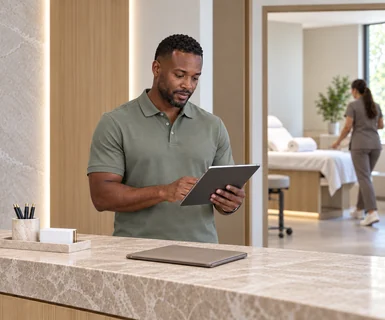
See what medical spa booking software should do before the visit, from intake and reminders to connected practice workflows...

See how spa management software can support repeat visits, memberships, stronger client retention, and long-term medspa growth...
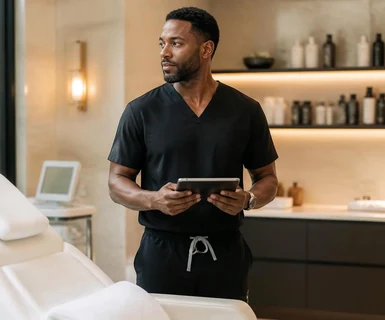
See how AI-powered med spa software is helping aesthetic practices streamline workflows, save time, and improve the client experience...

Beauty optimizers are mixing aesthetics, wellness, and longevity. See what this trend could mean for clients and spa management software...


 Login
Login