

Growth is the goal. A second location means more clients served, more providers doing meaningful work, and more revenue supporting the practice long term. Getting there cleanly requires one thing above everything else: a system that is built to scale before the scaling starts.
That is when spa management software becomes a much bigger conversation. Multi-location medspas need one system that keeps booking, client records, staff visibility, and reporting aligned across every site. Cloud based medical spa software makes that possible. Instead of each location operating like its own island, the business can run like one practice with one standard for client experience.
This article is for medspa owners and operators who want to understand what changes operationally when another location is added and what kind of software keeps that expansion from creating daily friction. It is also for practices that want to scale well and know that scaling well starts with the first location running without workarounds.
Cloud based spa management software is a connected platform that centralizes scheduling, client records, reporting, and communication so authorized staff can access the right information from any location. For multi-location medspas, it helps every site work from the same operational standard rather than building separate processes in isolation.
The hard part of opening a second location is rarely launch day. It is the first normal week afterward. One site is overbooked while another has open capacity. A returning client visits a new office, but her latest intake details were entered somewhere else. Inventory numbers look different depending on who checks them. Leadership spends more time reconciling information than improving operations.
The practices that scale smoothly are the ones with a single operational picture across every site – one place where scheduling, records, and communication connect. Without it, each location ends up solving the same problems independently instead of building on what the rest of the practice already knows.
Many practices reach this point having started with spa software for small business, tools that worked well for one location but were never designed to scale across two. The practices that expand most smoothly are the ones that got the first location running cleanly before opening the second – standardized workflows, connected systems, and no lingering manual patches holding things together. For practices evaluating whether that foundation is in place, the Spa Management Software Buyer's Guide for MedSpas walks through a practical scorecard for assessing whether a current platform is actually ready to support multi-site operations.
A second location should not create a second version of your process. It should extend the same process into a larger footprint. That only works when scheduling, documentation, communication, and reporting are visible across the full practice instead of being trapped at one site.
Modern medical spa management software does not remove the personal experience clients expect. It protects it. When front desk teams can see accurate schedules, providers can review the right client history, and leadership can compare performance across locations without building manual reports, the practice becomes easier to manage and more consistent for clients.
In a multi-location environment, access matters because the question is not whether information exists. The question is whether the right person can see it at the right moment. A cloud-based system that updates in real time and limits access by role helps the practice move faster without relying on texts, email chains, or end-of-day catch-up.
AestheticsPro is built for medspas that need consistency across locations, not just convenience inside one office. The platform connects the workflows that usually start drifting apart during expansion.
Medical spa booking software should do more than fill openings. It should give teams one view of appointments while preserving location-specific calendars, providers, and service availability. That makes it easier to route clients intelligently, rebalance demand, and reduce booking bottlenecks between sites.
Shared records keep forms, treatment history, and communication attached to the client instead of the building they visited last. That continuity matters because returning clients do not want to feel like new clients every time they visit another location.
Owners need a clear view of how each site is performing without waiting on spreadsheets at the end of the month. Medical spa management software should make it easy to compare bookings, provider utilization, and service mix by location while still showing the health of the business as a whole.
Online forms, reminders, consent collection, and integrated checkout reduce the administrative noise that multiplies as a practice grows. Practices that started on spa software for small business often find these workflows either missing or manual by the time a second location opens. A connected platform keeps scheduling, communication, and records in one workflow instead of making staff recreate information across multiple tools. For practices where documentation consistency is part of the expansion plan, see how medical spa software for small teams handles documentation as a built-in workflow rather than a separate process.
Multi-location software should improve the daily rhythm of the practice, not just look good in a demo. Teams usually feel the difference first in these areas:
These may not be flashy wins, but they are the ones that keep growth sustainable. When one location no longer has to invent a workaround the other location cannot see, the practice starts functioning like one system instead of a collection of separate busy rooms.
A new medspa location should expand capacity and revenue, not create a larger version of the same manual mess. Owners who move to one connected platform before expanding feel the difference immediately: fewer status checks, cleaner handoffs, and a client experience that stays consistent across every site.
The right time to evaluate the software is before the second location opens. Practices that get the first location running on a clean, connected system find that expansion multiplies what is already working. Practices that skip that step find it multiplies the friction instead.
The better question is not whether the current setup still works. It is whether it was ever built to scale.
Clients remember consistency. They remember when check-in feels smooth, when the provider already knows their history, and when follow-up feels organized no matter which location they visit. Spa management software is what allows that consistency to scale.
AestheticsPro gives medspas a connected operating system for scheduling, records, reporting, and communication, whether they are running one location at full capacity or expanding into a second. The goal is the same either way: one standard, across every site, every day.
Book a free demo today and see how AestheticsPro helps medspas run with clarity, before they scale and after.
Cloud based medical spa software is a platform that centralizes scheduling, client records, forms, and reporting in one connected system that authorized staff can access from any location. For multi-location medspas, it keeps operations aligned across every site instead of allowing each location to build separate processes.
Spa management software helps a multi-location medspa run scheduling, client workflows, and reporting from one system. Without it, each site often builds separate processes, which leads to inconsistent service, slower handoffs, and weaker visibility across the practice for owners managing capacity and performance.
Medical spa booking software helps multiple locations by centralizing appointment visibility while preserving location-specific calendars, providers, and services. Teams can balance demand, reduce overbooking, and make scheduling decisions with full-practice context instead of one isolated front desk view.
Spa software for small business typically works well for a single-location practice but starts showing limitations when a second site opens. Without centralized scheduling, shared client records, and cross-location reporting, teams end up managing two separate systems instead of one practice – which slows operations and creates inconsistencies clients can feel.
Related articles on growth, operations, and the systems shaping modern medical aesthetics practices.
See what medical spa booking software should do before the visit, from intake and reminders to connected practice workflows...


See how spa management software can support repeat visits, memberships, stronger client retention, and long-term medspa growth...
See how AI-powered med spa software is helping aesthetic practices streamline workflows, save time, and improve the client experience...

Beauty optimizers are mixing aesthetics, wellness, and longevity. See what this trend could mean for clients and spa management software...

Natural-looking beauty is shaping 2026. See how this trend may influence medical spa booking software, client expectations, and med spa loyalty...

Explore medical spa requirements as aesthetics expands toward longevity, wellness, technology, and more connected client experiences...

See what separates the best medi spa software, from connected workflows and usability to reporting, support, and long-term practice fit...

See how fall beauty is getting bolder and how medspa management software can help aesthetic practices respond to shifting client interests...
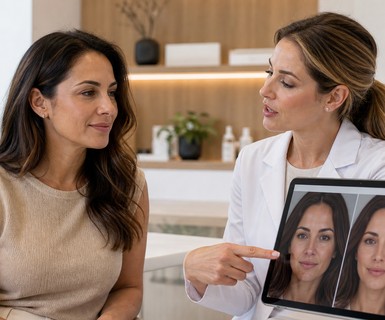
See how AI-edited beauty images are changing consultations and why an EMR for medical spa teams can help preserve clear goals and records...

Use spa management software and a focused fall reset to reconnect clients, organize follow-up, and prepare your aesthetic practice for year-end...

See how Love Island shapes summer beauty expectations and how medical spa booking software can support rising client interest...

Learn what makes AI useful in medical spa software, from connected information and clear tasks to reliable human handoffs...

See how services, expert teams, client experience, and medi spa software help shape the modern aesthetic practice...

See how spa management software, clear priorities, and connected operations support steady medical spa growth...
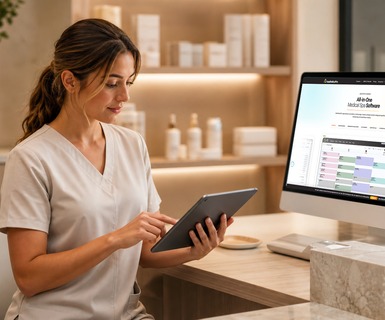
See how connected medical spa software systems support clearer workflows, stronger reporting, and more consistent daily operations...

Learn what to prioritize in spa software for small business, from booking and client records to payments and future growth...
See how medical spa booking software became part of the client experience and why connected scheduling now matters...

See why Botox remains a key med spa treatment and how medical spa software helps support repeat visits, loyalty, and long-term growth...

See which medical spa requirements clients notice before booking and how the right systems help build trust, safety, and confidence...

Learn simple ways to get more value from your medical spa management software through better workflows and reporting...

See what good medi spa software handles for you every day, from booking to checkout, in plain simple terms...

Explore 7 trends shaping the medical spa industry in 2026, from client retention to AI and the systems behind medical spa management...
Discover the 12 systems every growing practice needs for medical spa management, from scheduling to compliance, in one connected platform...

See how medical spa practice management software supports estheticians, providers, and front desk teams in one connected platform...

Use this medspa software checklist to evaluate booking tools, system reporting, and scalability before choosing your platform...

The best medspa software does more than organize appointments. It connects compliance, charting, payments, retention, and reporting into one system...

Missed follow-up, preventable no-shows, weak retention, and disconnected systems can quietly drain margin from a growing practice...
When most medspa owners think about spa management software, they picture a scheduling tool. That narrow view is why practices hit a ceiling...

Growing a med spa is the goal. It is also the moment when everything that worked before starts showing its limits...

Clients notice when intake, treatment context, and follow-up feel seamless...

Med spa clients in 2026 arrive informed, comparison-shopping, and ready to judge the full client experience as much as the treatment itself...

Most med spa owners think about licensing when they open. Fewer revisit it before adding a provider, expanding services, or opening a second location...

Men are booking Botox, skin treatments, laser hair removal, hair growth services, and body contouring in steadily increasing numbers...

Potential clients are asking AI-powered tools where to go next. Med spas that show up consistently have clear content, accurate listings, and crawlable sites...
Most med spas searching for spa management software need more than calendars. They need connected booking, compliance, and workflows...

Running a medical spa means balancing compliance, records, and growth. The right EMR helps medspas stay documented and audit-ready...

The best medical spa software connects booking, intake, and follow-up to improve client retention and strengthen repeat visits...
Aesthetic clinics are moving away from general booking tools and basic scheduling apps in favor of software built for how medical spas actually operate...
If you are demoing spa management software right now and every platform looks roughly the same, you are not alone. Feature lists blur together, demos show...
If your med spa clients come in once for Botox, maybe return for a filler follow-up, and then disappear for six months, you do not have a demand problem. You...

An EMR for medical spa teams should do more than store records. It should help providers document care clearly, support front desk workflows, improve...


 Login
Login